Loading dictionary...
Skip to main content
Kuku Yalanji dictionary
Kuku Yalanji Country bubu
Trees, plants, animals, fish, stone, fire and the things made from them: their Kuku Yalanji names, where they live, and how they were hunted, gathered and prepared. 44 entries so far. Every Kuku Yalanji word links to its dictionary entry, and every fact cites its source.
Place guides
Trees
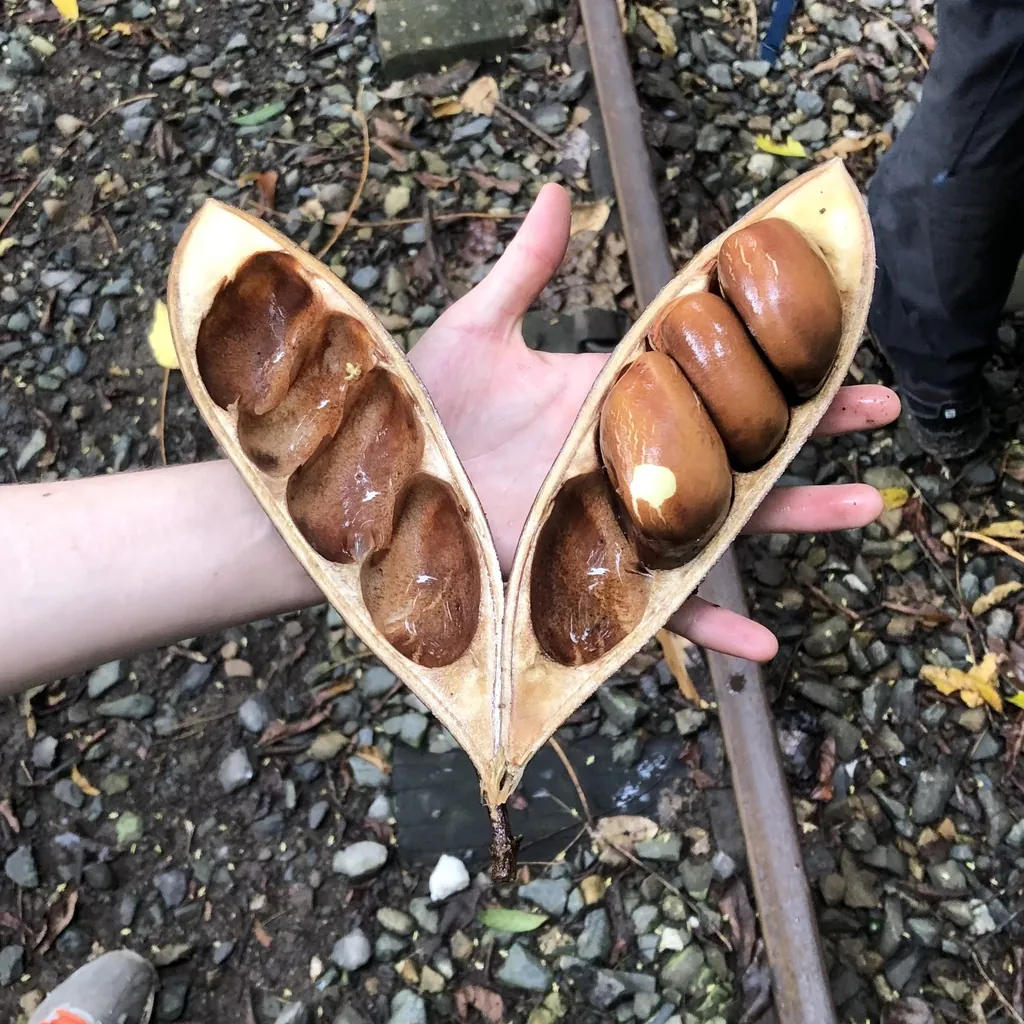
Black bean
bawayCastanospermum australe
Baway, the black bean or Moreton Bay chestnut (Castanospermum australe), is a large rainforest tree that grows along creeks and rivers. Its seeds are big, chestnut-like and poisonous raw. Bama made them into food by baki
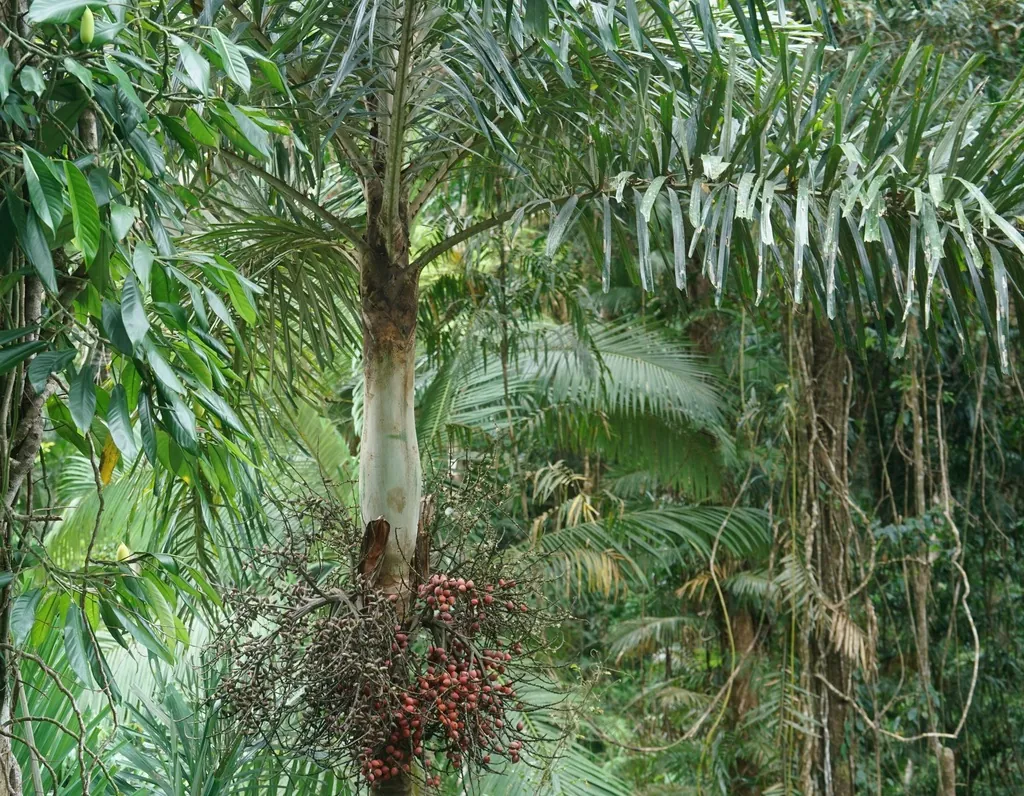
Black palm
duwar · kakanNormanbya normanbyi
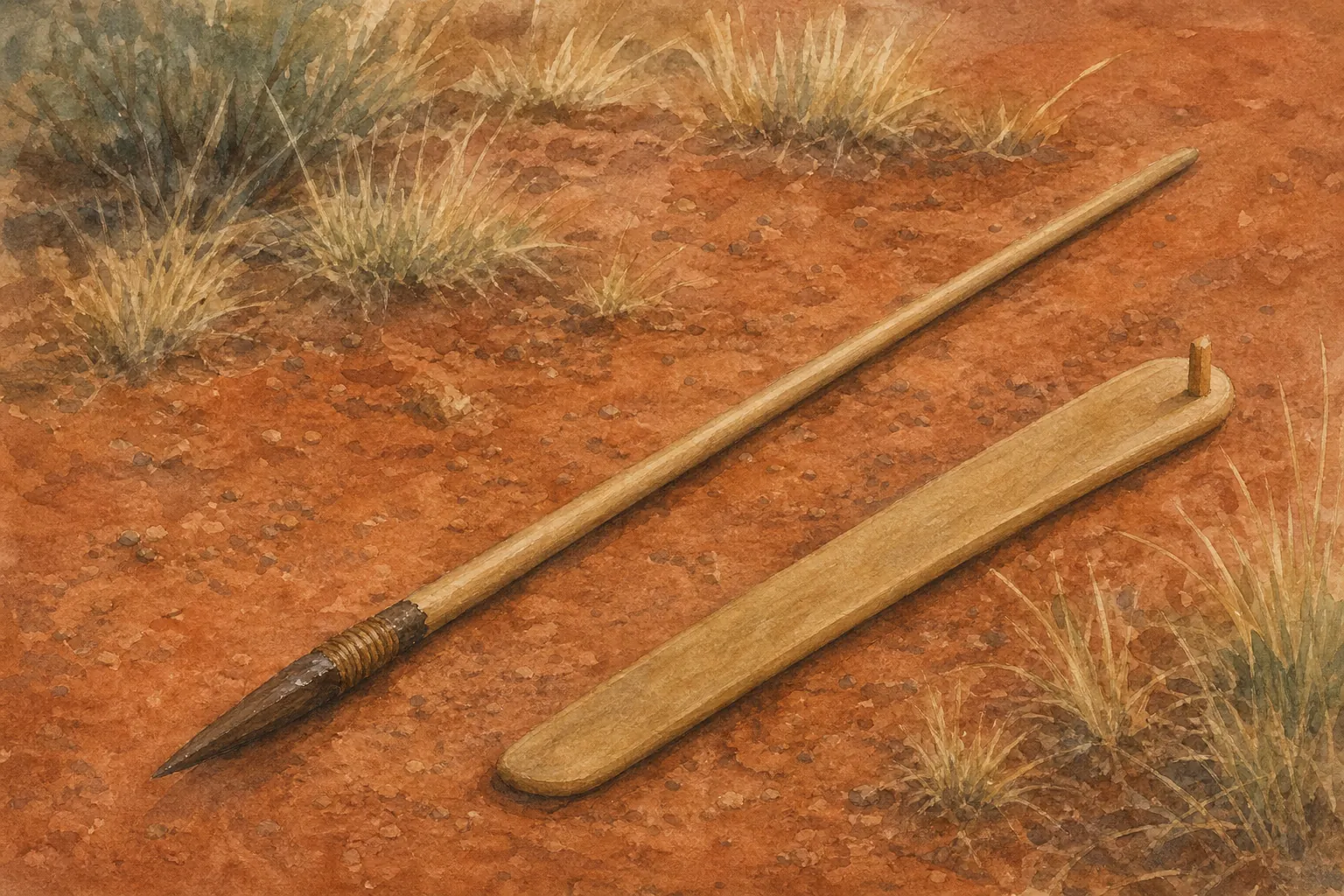
Duwar is the black palm (Normanbya normanbyi), and also the spear made from it. This tall, slender rainforest palm grows only in a small stretch of the Wet Tropics, from south of Cooktown to near Mossman, which is Easter
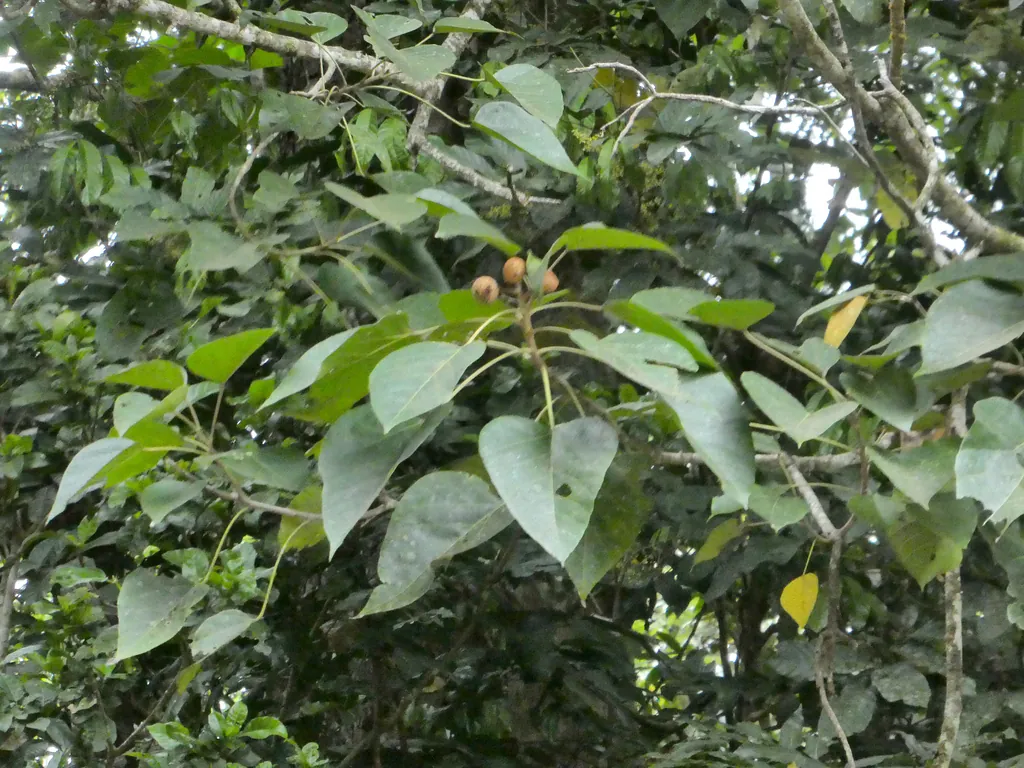
Candlenut
bilarAleurites moluccanus
Bilar, the candlenut (Aleurites moluccanus), is a rainforest tree with hard, round nuts that are 'edible after roasting'. It was the most highly prized of the Bloomfield nuts: eaten on its own, and added to wallaby while
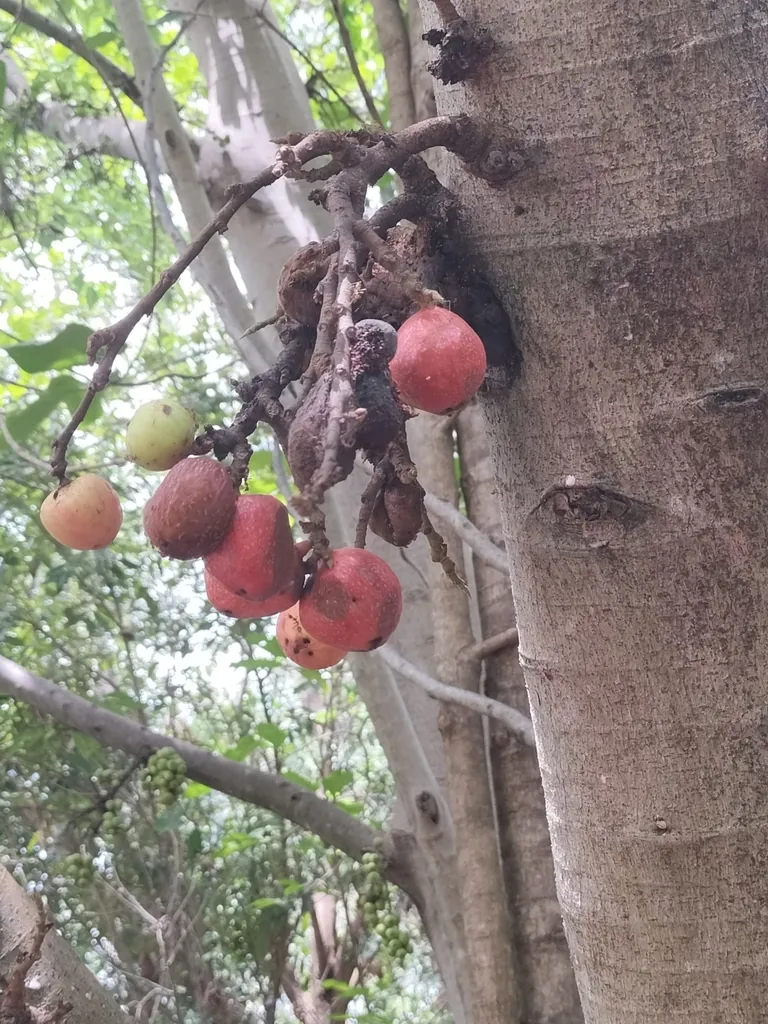
Fig trees
jarrangkal · mujarr · kumin · yinkunji · dukal · binanji · baril-barilFicus spp. (including Ficus racemosa and F. opposita)
Fig trees (Ficus) have more names in Kuku Yalanji than almost any other kind of tree. Jarrangkal is 'fig tree and its fruit', and there are separate words for at least six particular figs, among them mujarr, kumin, yinku
Ironwood
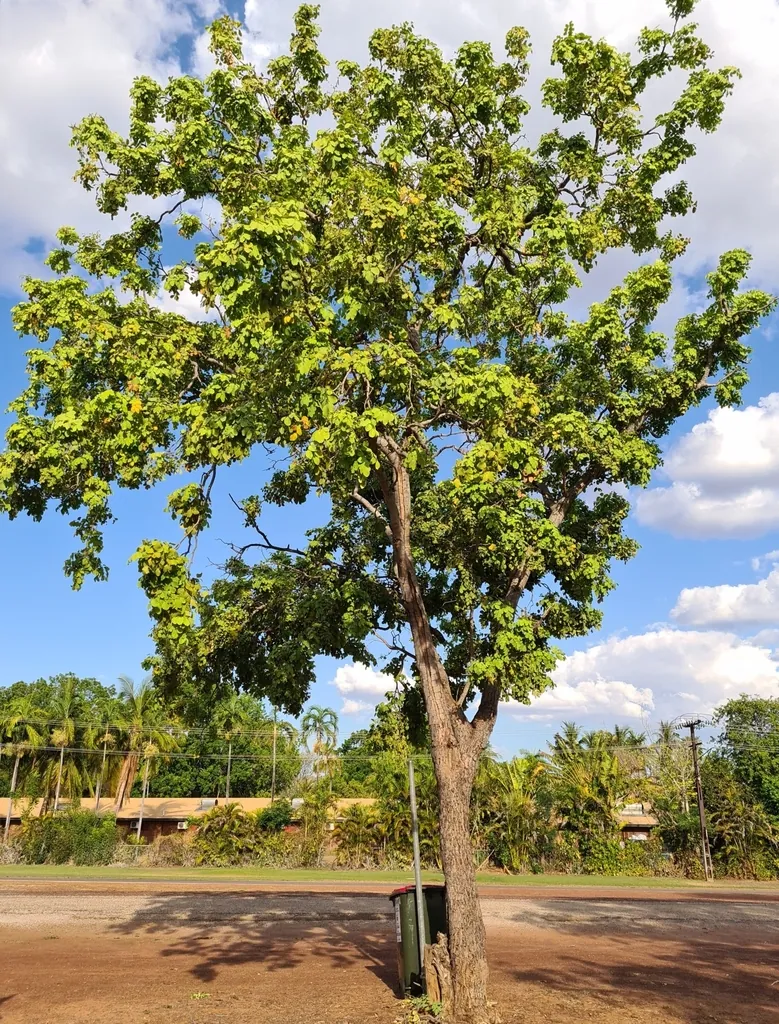
jujabalaErythrophleum chlorostachys (syn. E. laboucherii)
Jujabala is the 'ironwood tree'. On the Bloomfield River, 'ironwood' meant the Cooktown ironwood, Erythrophleum chlorostachys, a tree of the dry open forest with extremely hard, heavy wood. Kuku Yalanji made hunting spea
Pandanus
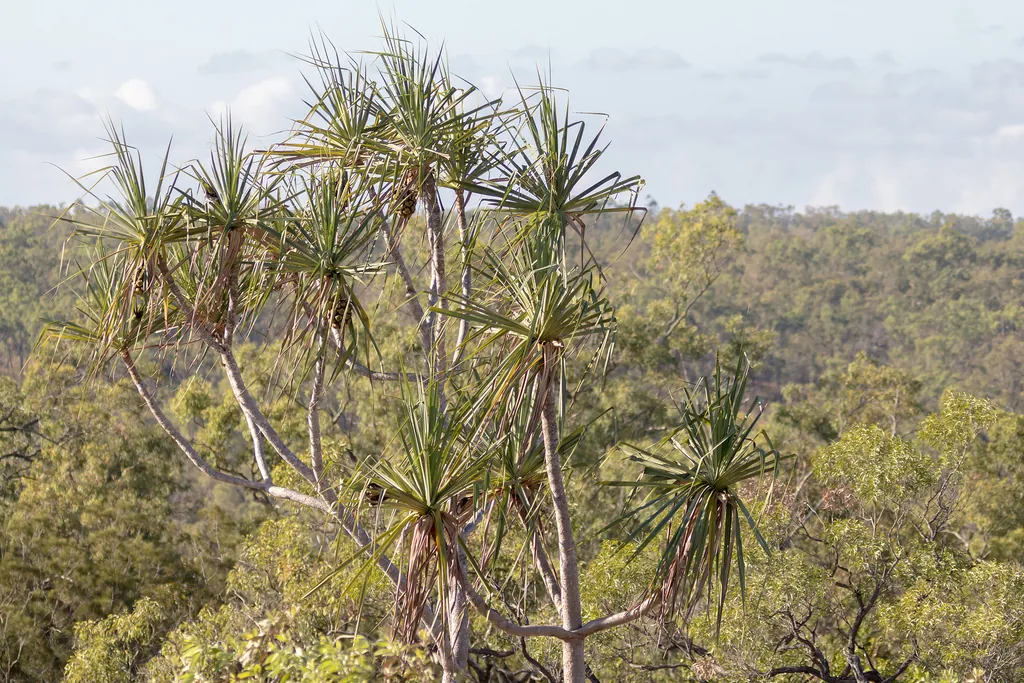
jajikalPandanus spiralis (as identified by Anderson 1996); the beach pandan is Pandanus tectorius
Jajikal is the pandanus or screw palm, the spiky, prop-rooted tree of the beaches and creek banks. Its name is written into the country: the lower camp at Ayton, 'where there are lots of pandanus trees', is called Jajika
Paperbark
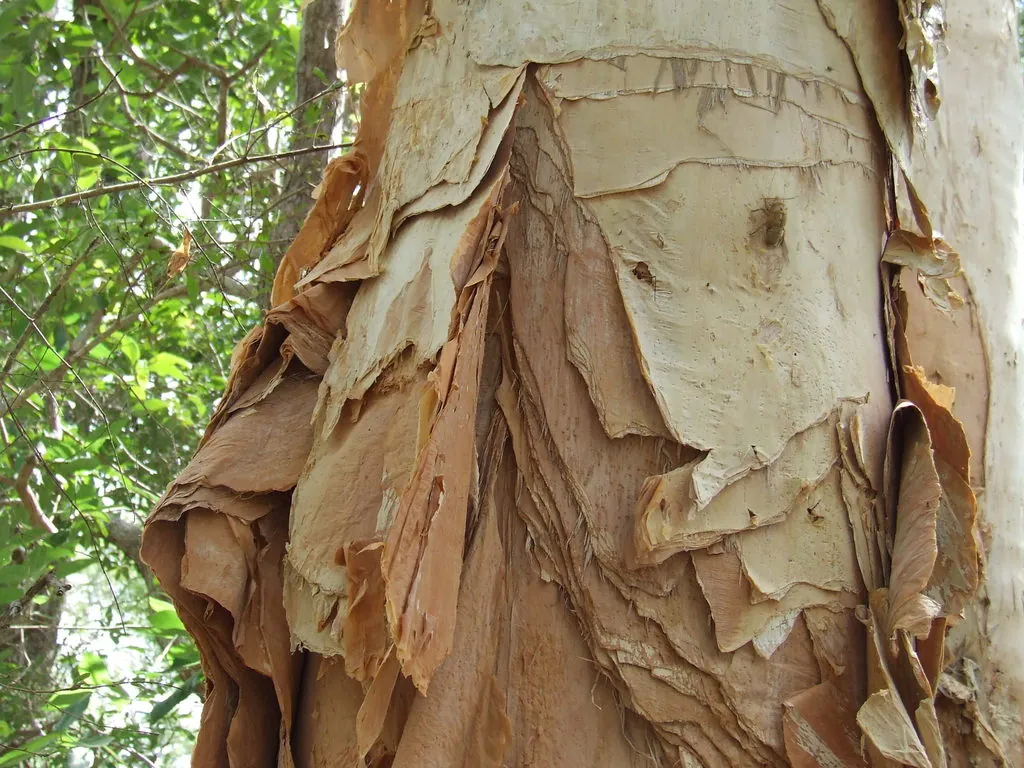
buyku · jidi · kalkuri · wanjakan · bijan · marngkil · marrabal · marril · bijinMelaleuca spp. (e.g. Melaleuca leucadendra, M. argentea, M. fluviatilis)
Buyku is the Kuku Yalanji word for paperbark: the Melaleuca trees, often called ti-tree or tea-tree in North Queensland English, whose pale bark peels away in soft layers. Paperbark is one of the most useful trees on cou
Red cedar
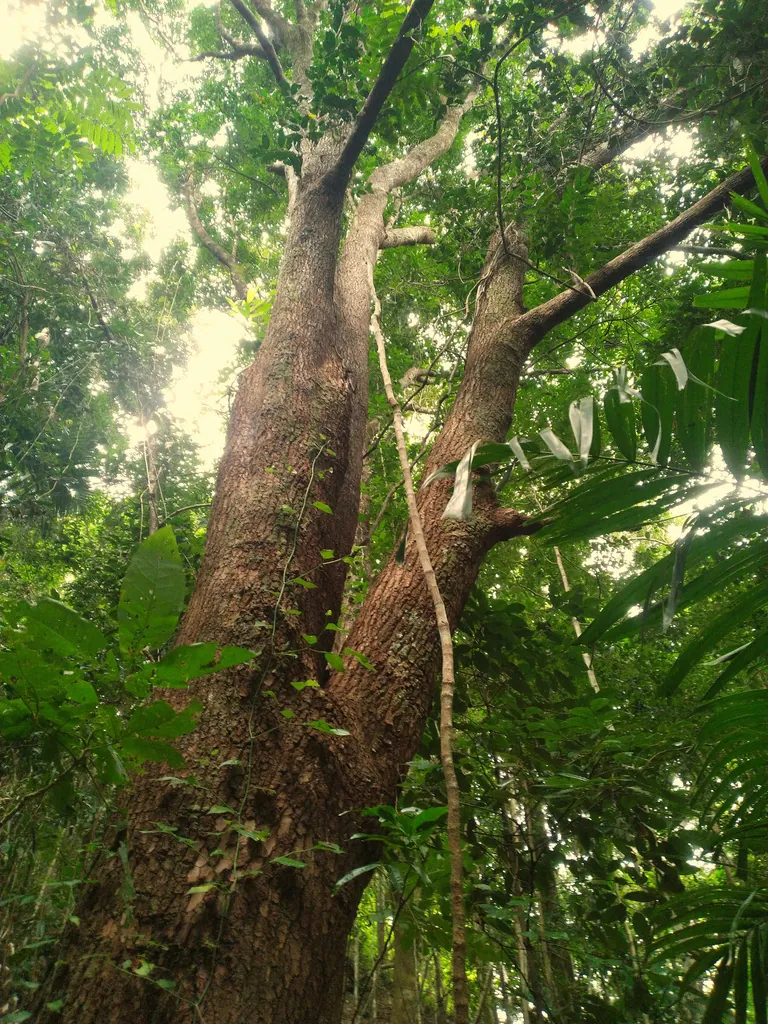
marrakanToona ciliata
Marrakan is the red cedar tree (Toona ciliata), and the same word means a 'dugout canoe made of red cedar wood'. Its soft, light, durable timber made it, with candlenut and cotton tree, a favourite for the hulls of the B
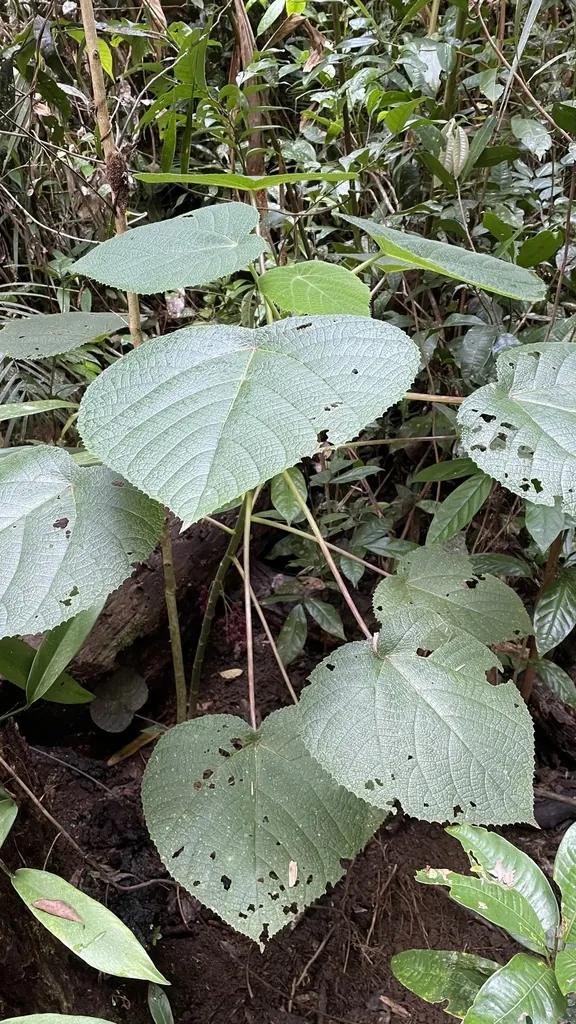
Stinging tree
miliDendrocnide spp. (D. moroides, D. cordifolia, D. photinophylla)
Mili is the stinging tree: the Dendrocnide shrubs and trees of the rainforest, whose leaves and stems are covered in fine glassy hairs that inject a pain-causing toxin. A bad sting from the gympie stinger 'can last for m
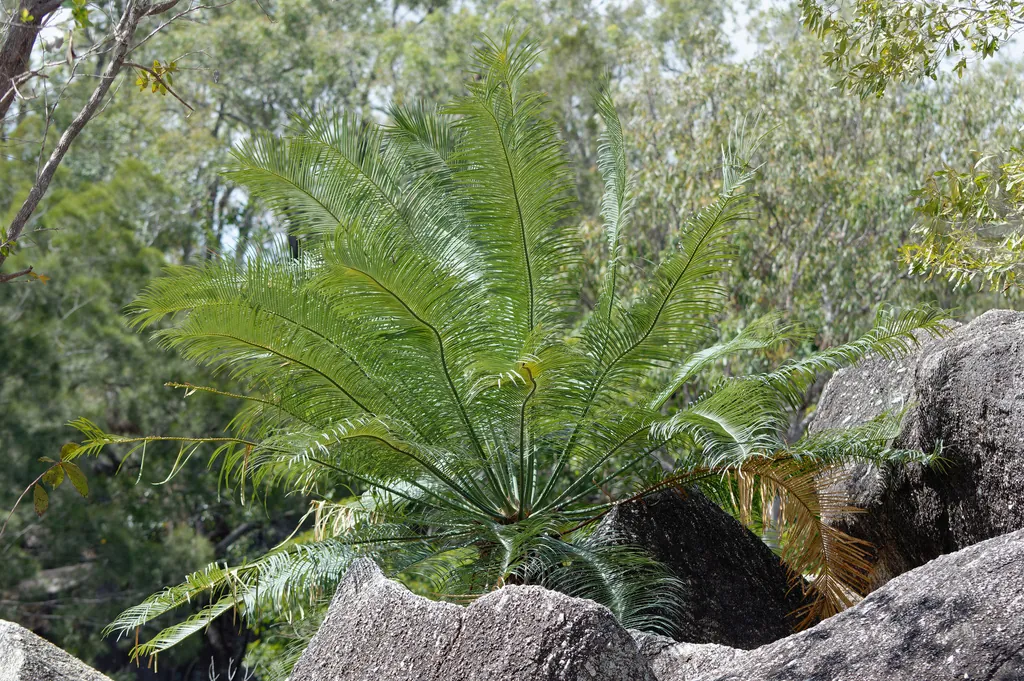
Zamia
marra · julbinCycas media (here subsp. banksii)
Marra, the zamia or cycad (Cycas media), is a palm-like plant of the open forest whose big seeds are poisonous raw. The dictionary sums up how Kuku Yalanji people made it into food: it is 'roasted, ground and leached to
Plants, vines & grasses
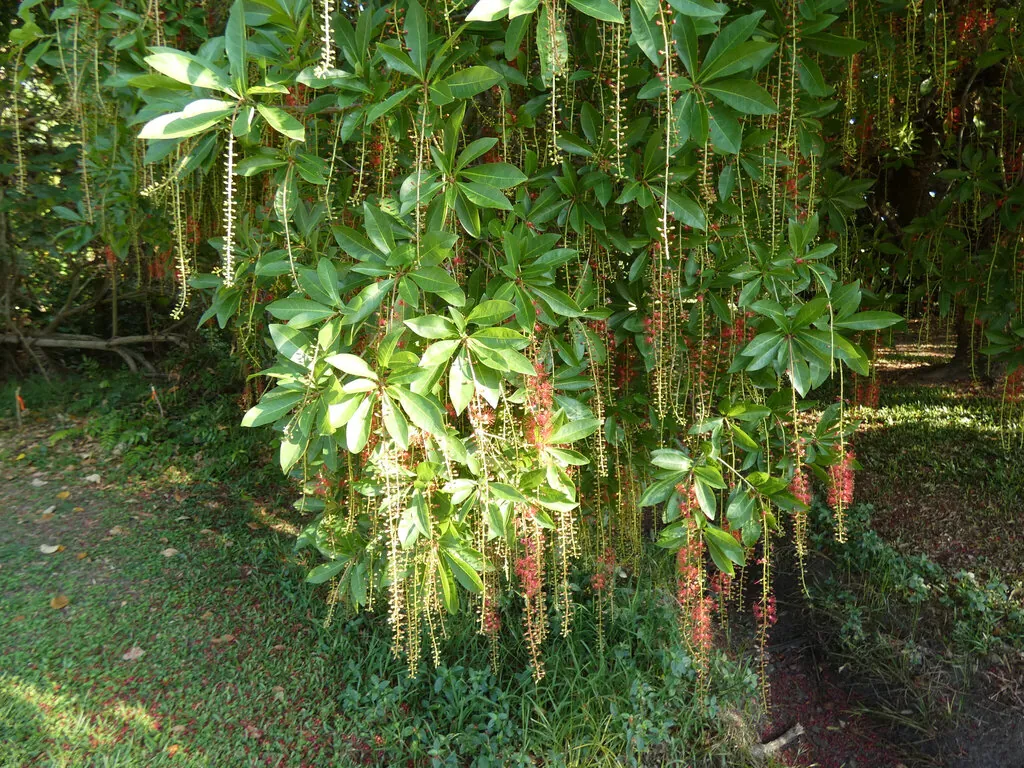
Fish-poison plants
miyilBarringtonia spp., Erythrophleum chlorostachys, Diospyros hebecarpa and others
Late in the dry season, when creeks shrink to separate waterholes, Kuku Yalanji stunned fish with crushed plants. The dictionary's miyil is a tree 'which has poisonous sap used to blind fish': its seed is wrapped in gras
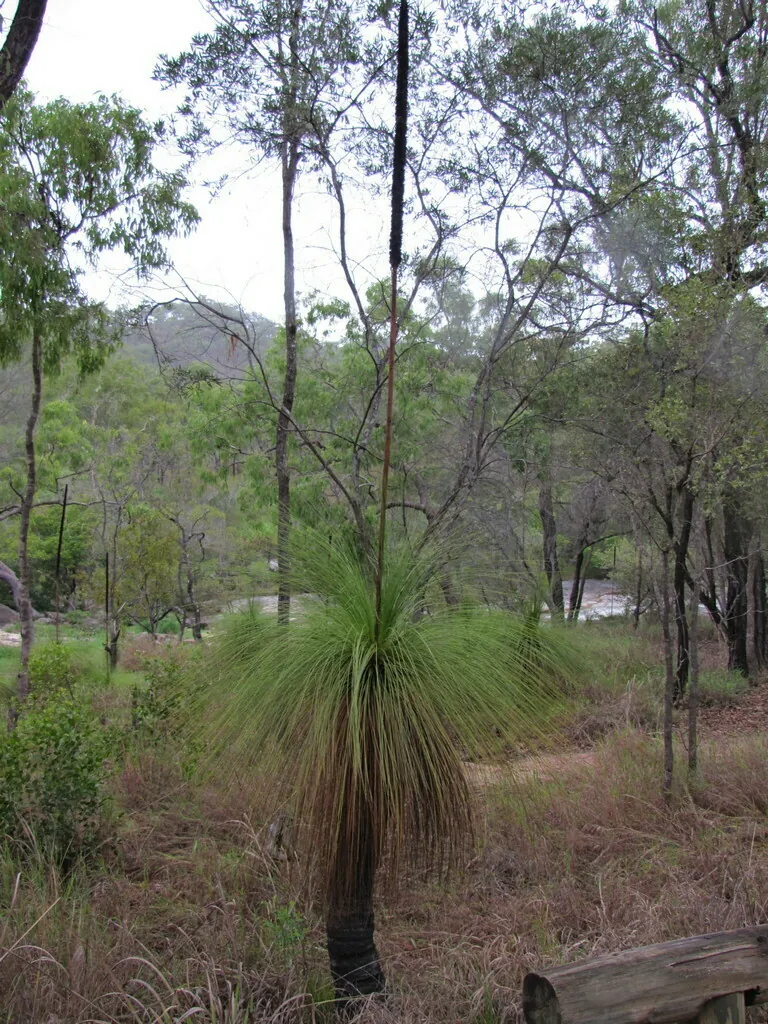
Grass tree
nganjirr · kanunjulXanthorrhoea johnsonii (and other Xanthorrhoea species)
The grass tree, nganjirr, is the tufted, black-trunked plant of the dry open forest, Xanthorrhoea. Its resin, kanunjul, was 'used to make pitch to seal spear bindings'. Kuku Yalanji at Bloomfield also used the light flow
Lawyer cane
mawar · milmarr · kakuCalamus spp. (mainly Calamus australis and C. caryotoides)
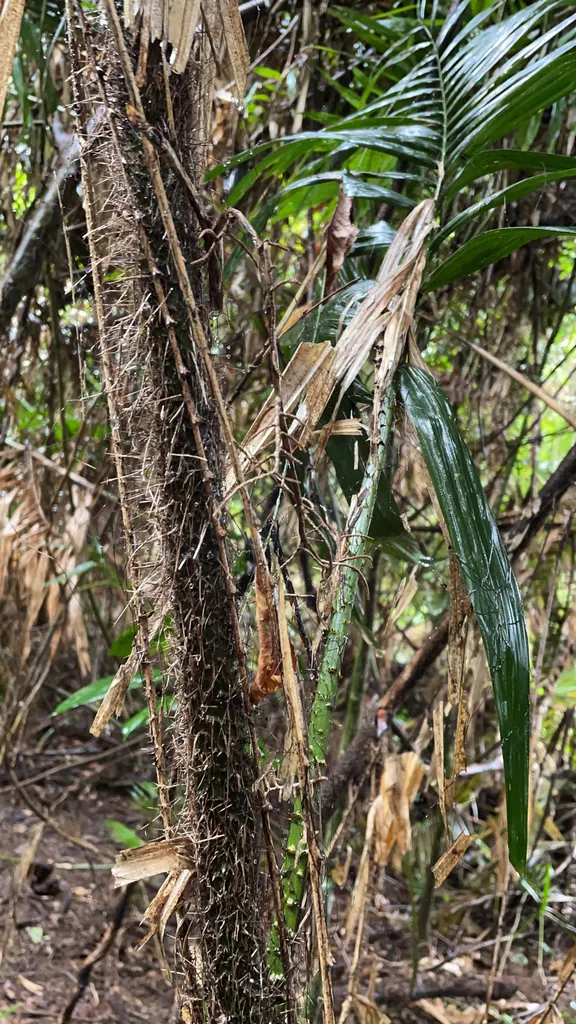
Lawyer cane is the climbing palm of the rainforest, Calamus. Its whip-like, hooked tendrils catch anyone walking past, which is why it is also called 'wait-a-while'. Kuku Yalanji has several words for it. Mawar is 'the v
Yams
kawu · wukay · kalkurr · biyangkal · banjay · warrabuka · bambayal · wawukuna · ngakun · wubali · juwalDioscorea bulbifera, Tacca leontopetaloides, Typhonium brownii and other tubers
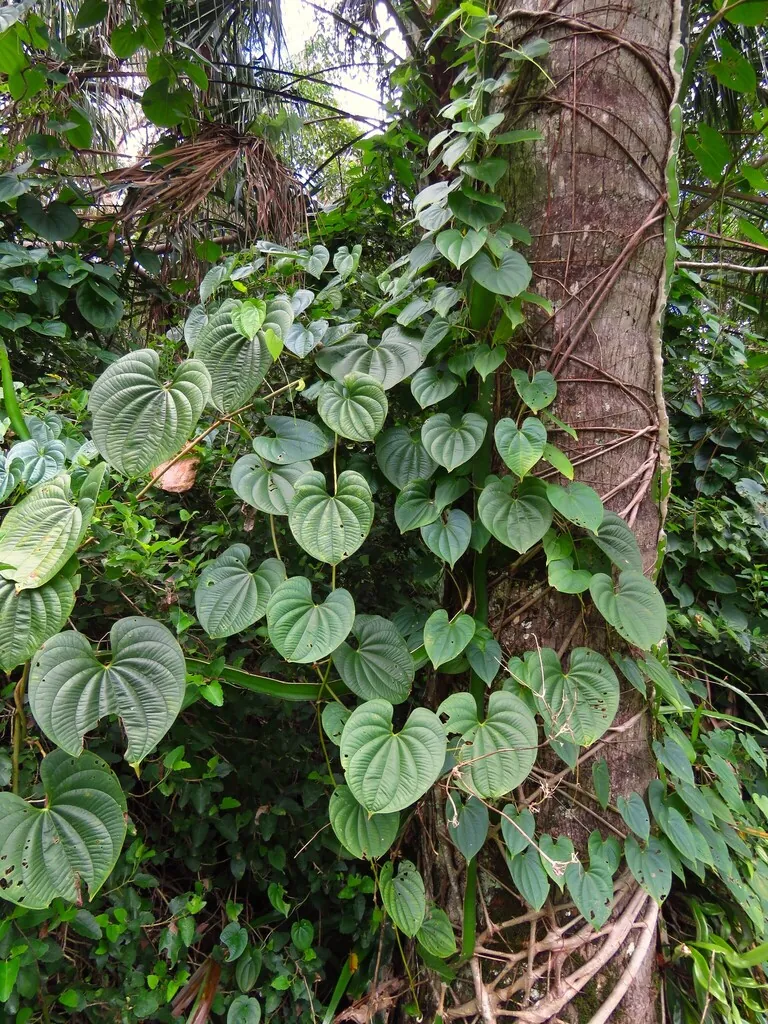
Kawu is the Kuku Yalanji word for yam, and the dictionary names about ten different kinds. Tubers, bulbs and wild yams were 'the cornerstone of the Kuku-Yalanji diet, especially in the inland area', and the hairy yam, wu
Mammals
Birds
Cassowary
kurranji · babarr · barbarrCasuarius casuarius johnsonii
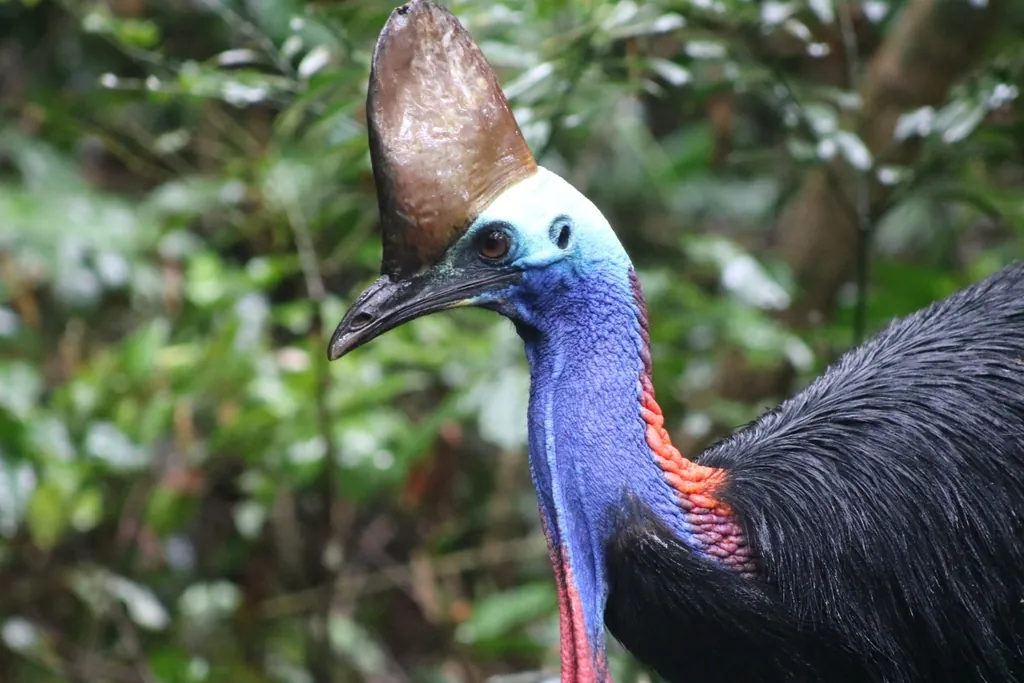
Kurranji, the southern cassowary (Casuarius casuarius johnsonii), is Australia's largest bird: up to 2 m tall and 76 kg, flightless, with a blue neck, red wattles and a horn-like casque on its head. Kuku Yalanji has its
Scrub hen
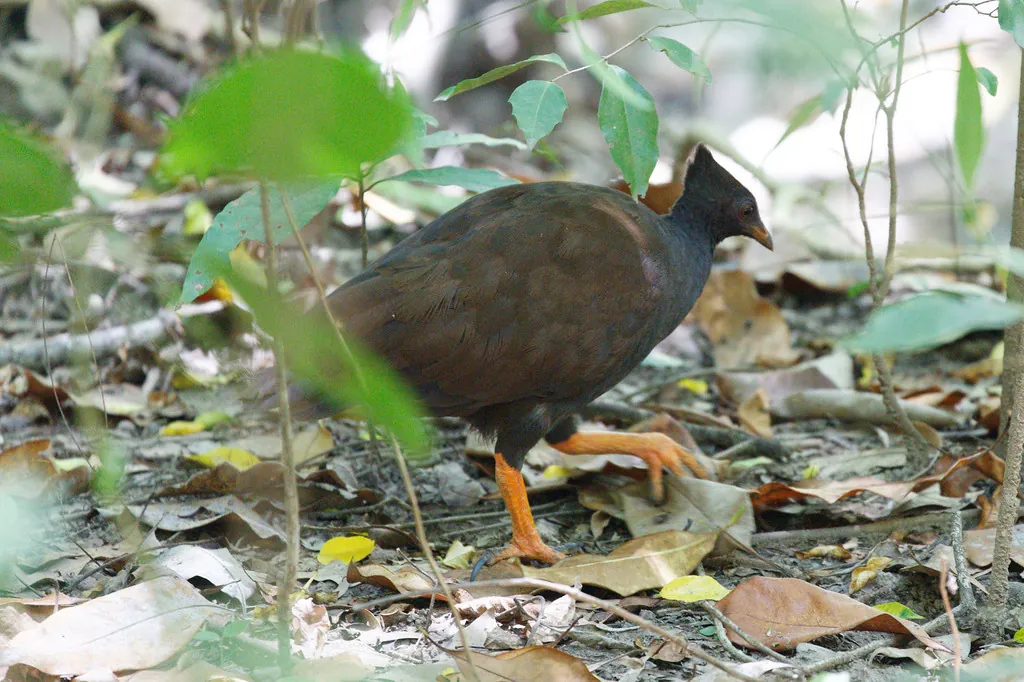
jarrukaMegapodius reinwardt
Jarruka, the scrub hen or orange-footed scrubfowl (Megapodius reinwardt), is a hen-sized ground bird with big orange feet that builds huge mounds of earth and leaves to hatch its eggs. In Kuku Yalanji the one word covers
Scrub turkey
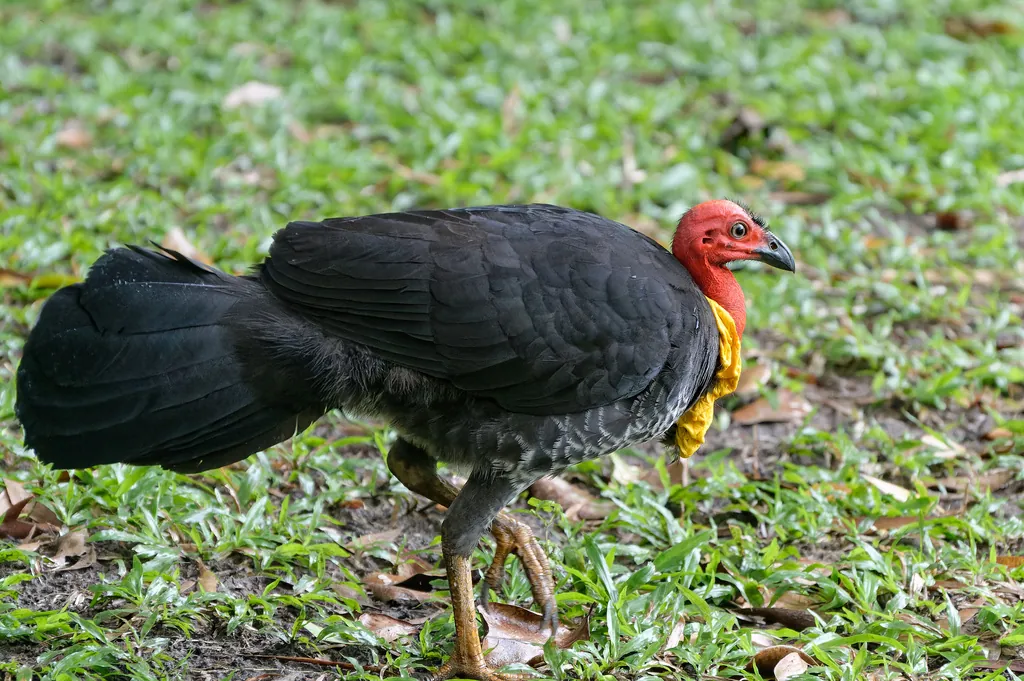
diwanAlectura lathami
Diwan, the scrub turkey or Australian brush-turkey (Alectura lathami), is the big black mound-building bird of the rainforest. It has a bare red head and a yellow wattle. Kuku Yalanji knowledge ties it to the seasons. Th
Reptiles
Freshwater crocodile
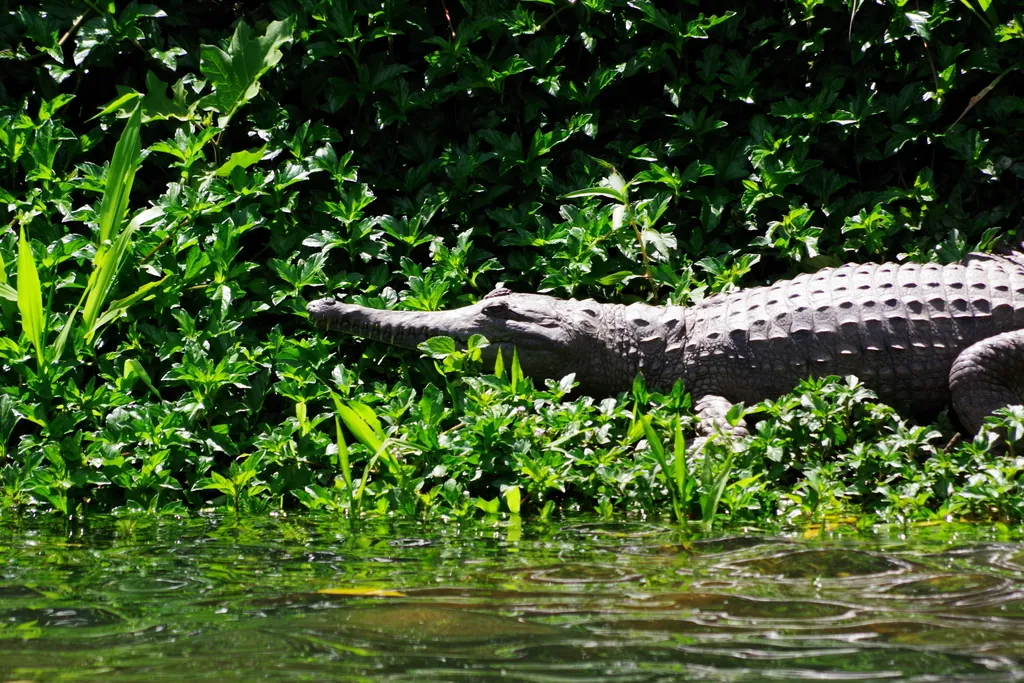
ngawurr-ngawunCrocodylus johnstoni
Ngawurr-ngawun is the Kuku Yalanji word for the freshwater crocodile (Crocodylus johnstoni), the slender-snouted crocodile of the inland rivers. It is the crocodile of the upper Mitchell River around Mount Carbine and Ka
Freshwater turtle
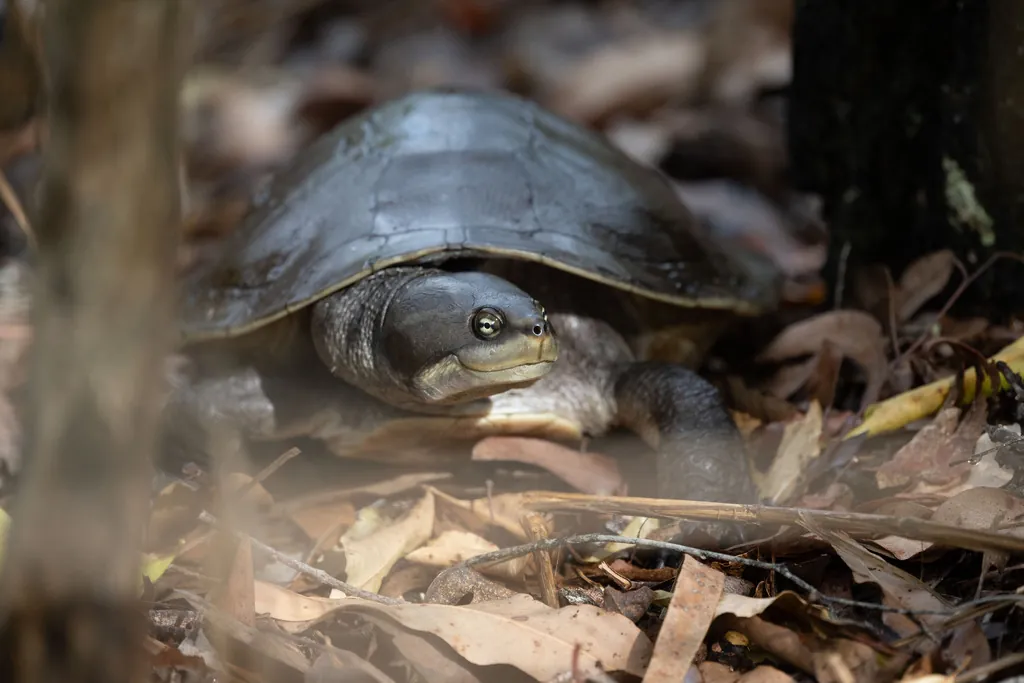
ngujayChelidae: Emydura, Myuchelys, Elseya and Chelodina species
Ngujay is the Kuku Yalanji word for the freshwater turtle, the river turtle of the creeks and waterholes, as opposed to ngawiya, the sea turtle. Bloomfield Kuku Yalanji went to the freshwater streams for 'eelfish and fre
Goanna
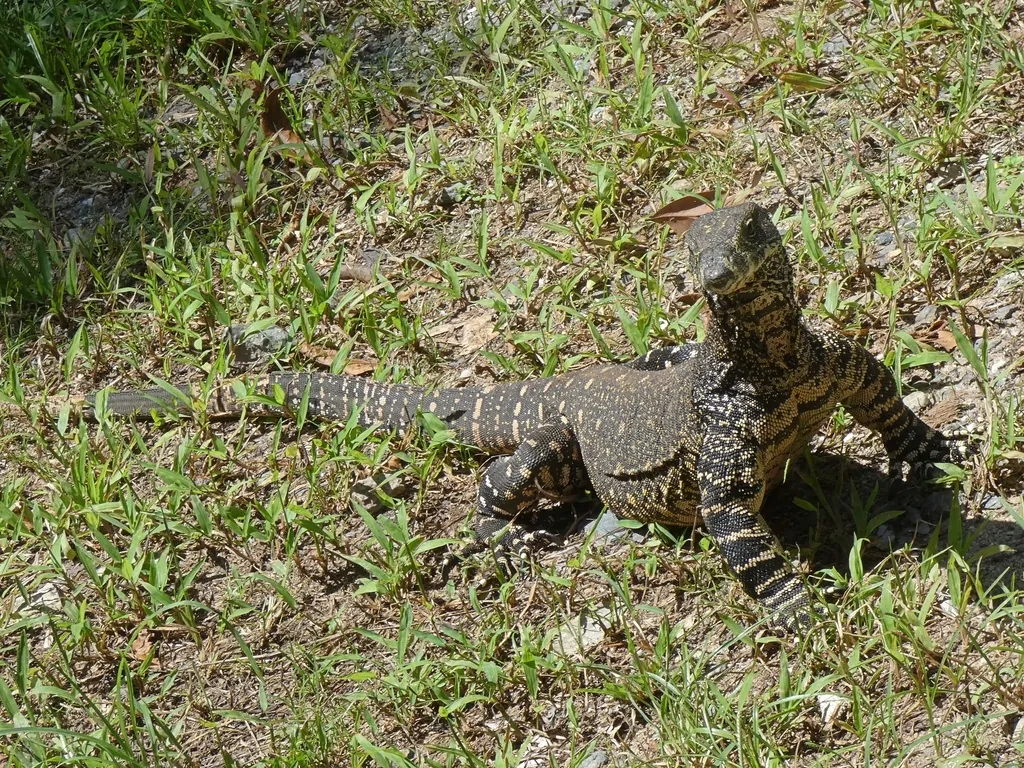
kalajarr · walkarr · jadiVaranus spp.
Kuku Yalanji names three goannas: kalajarr, the scrub goanna; walkarr, the black scrub goanna; and jadi, the sand goanna. Of jadi the dictionary says plainly: 'Only old people are allowed to eat it'. Roth called goannas
Saltwater crocodile
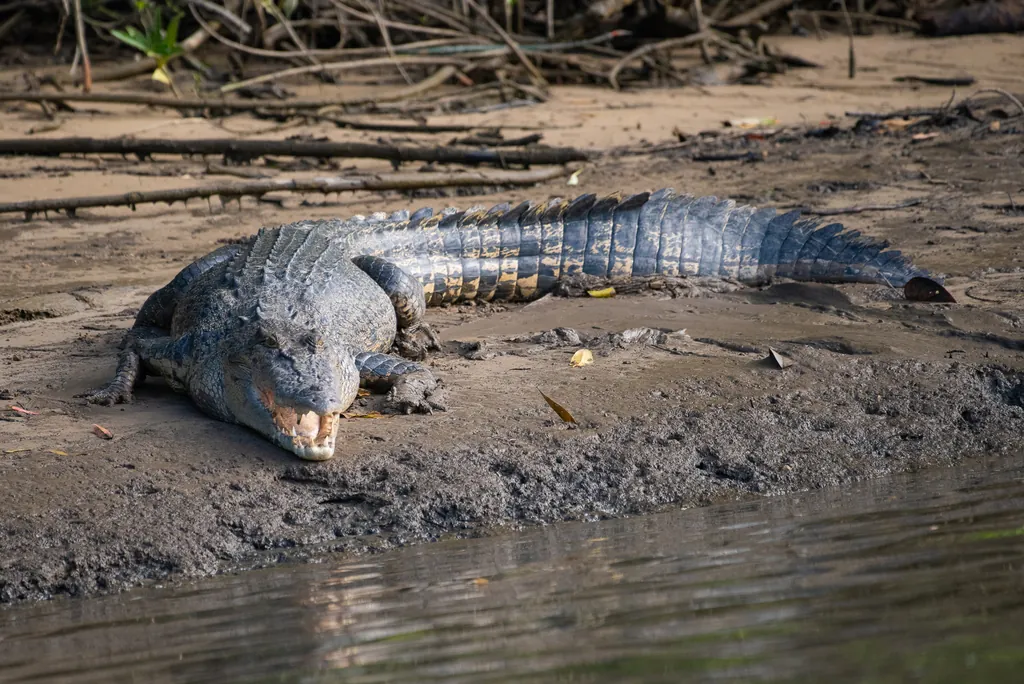
bilngkumuCrocodylus porosus
Bilngkumu is the Kuku Yalanji word for the saltwater (estuarine) crocodile, Crocodylus porosus. It is the biggest and most dangerous animal on country: it lives in the sea, the mangroves and the tidal rivers, and it trav
Sea turtle
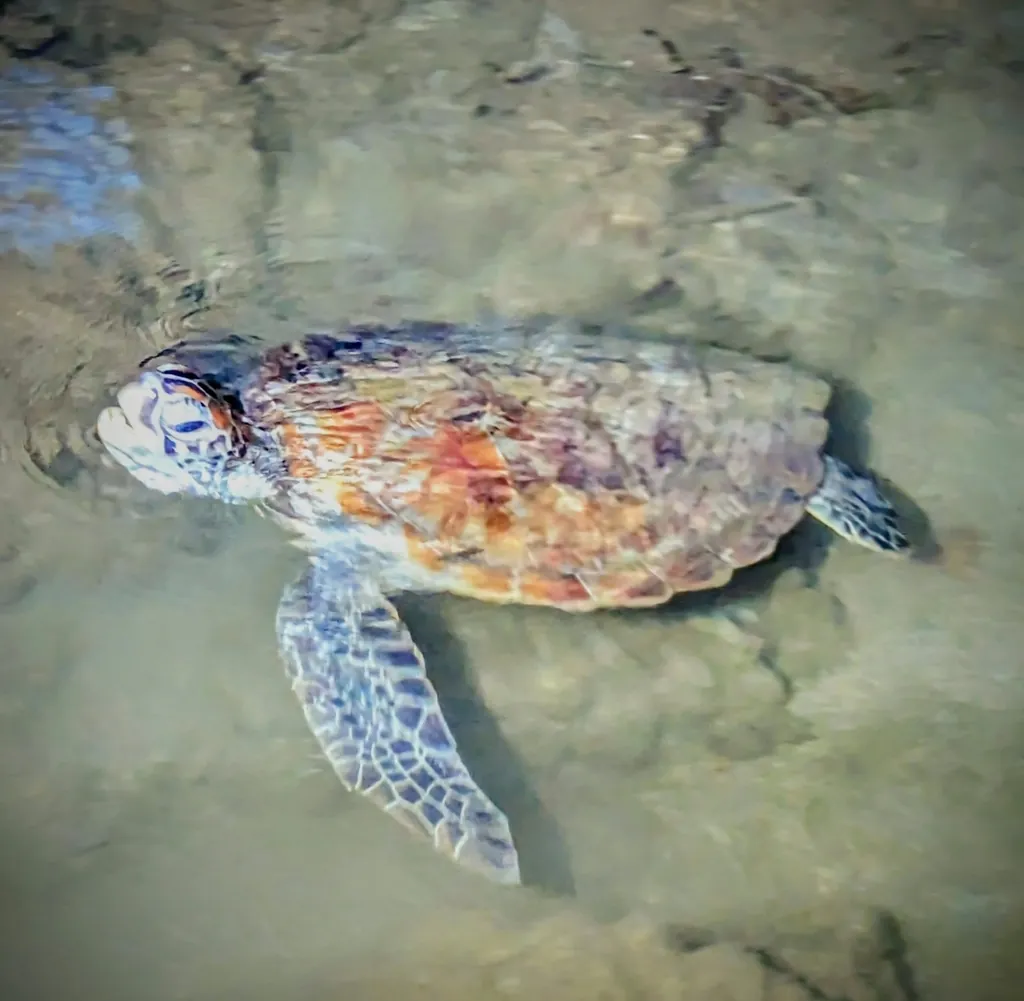
ngawiya · yalngaCheloniidae (chiefly Chelonia mydas, green turtle)
Ngawiya is the Kuku Yalanji word for the sea turtle; the dictionary also has yalnga, 'sea turtle, poisonous if sacs aren't removed'. Eastern Kuku Yalanji Traditional Owners use ngawiya for all six marine turtles of their
Fish
Barramundi
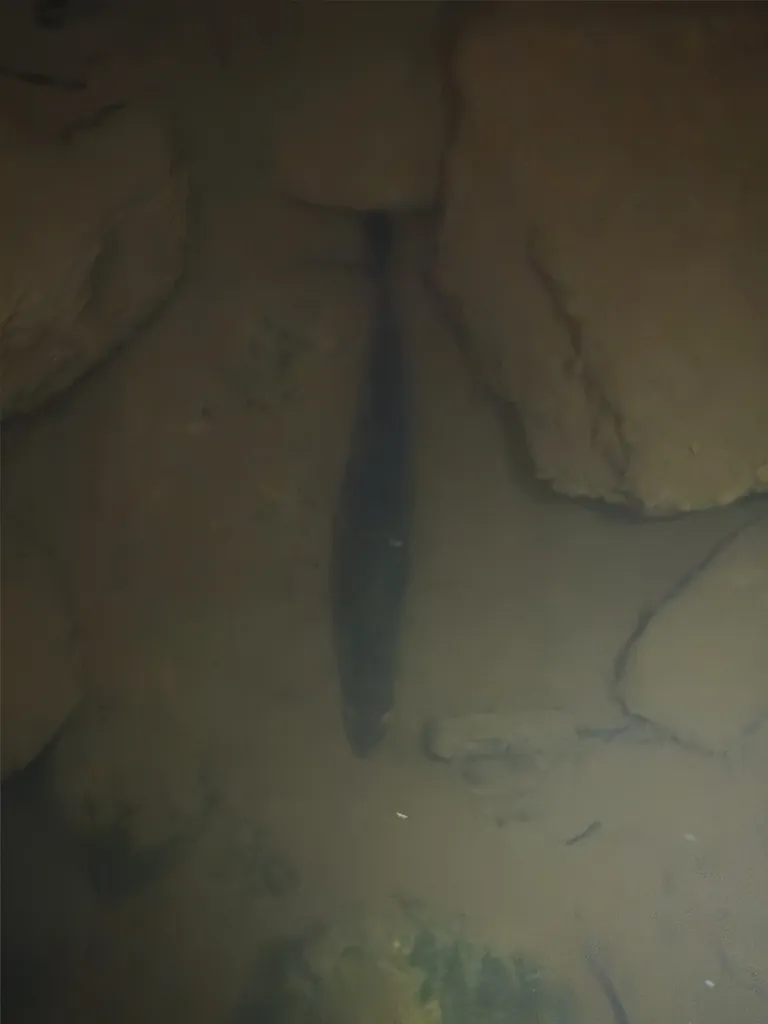
judi · murrabal · kudiLates calcarifer
Barramundi (Lates calcarifer) has three names in the Kuku Yalanji dictionary: judi, murrabal and kudi, which belong to different dialects. It is a big silver fish of the estuaries, mangroves and rivers, and the young fis
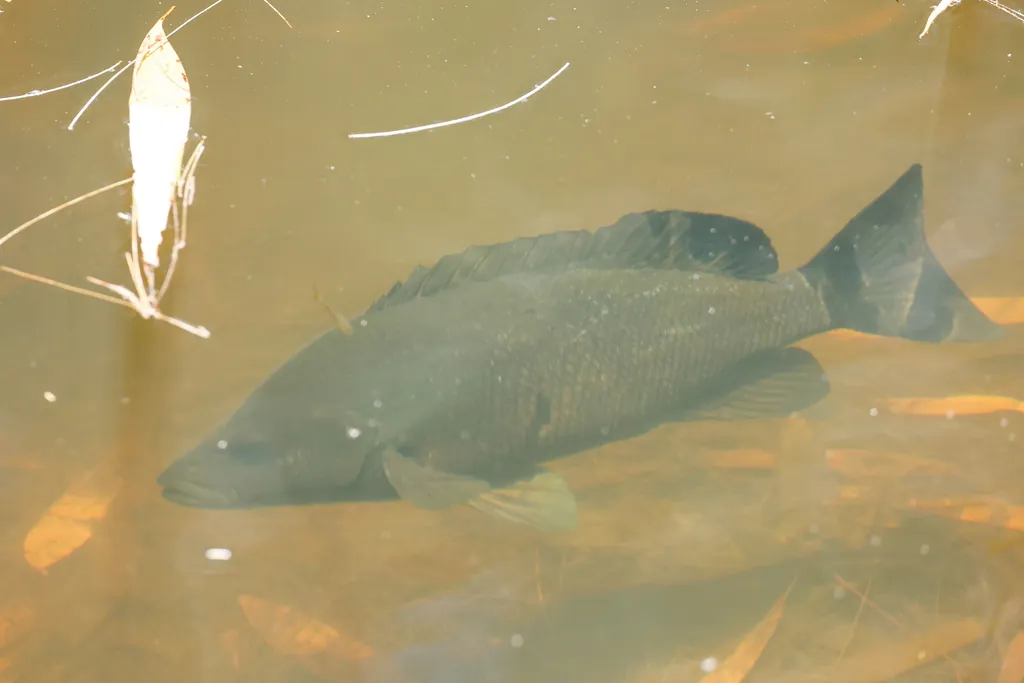
Black bream (sooty grunter)
barrbalHephaestus fuliginosus
Barrbal is the Kuku Yalanji dictionary word for 'black bream'. In the fresh water of north Queensland, black bream is the sooty grunter (Hephaestus fuliginosus), a thick-lipped, sooty-black fish of rocky pools and snags.
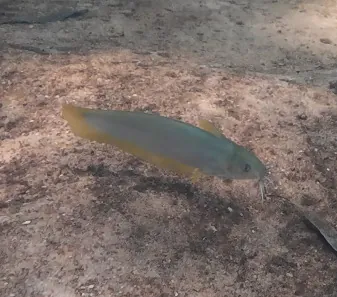
Freshwater catfish
julaji · kanyaji · walarrjiEel-tailed catfishes (Plotosidae: Neosilurus, Tandanus and relatives) and fork-tailed catfishes (Ariidae: Neoarius and relatives)
Freshwater catfish are julaji in the Yalanji dialect and kanyaji in Nyungkul, and are sometimes called walarrji, 'with whiskers'. They are whiskered, scaleless fish of creeks, rivers and waterholes, and all of them carry
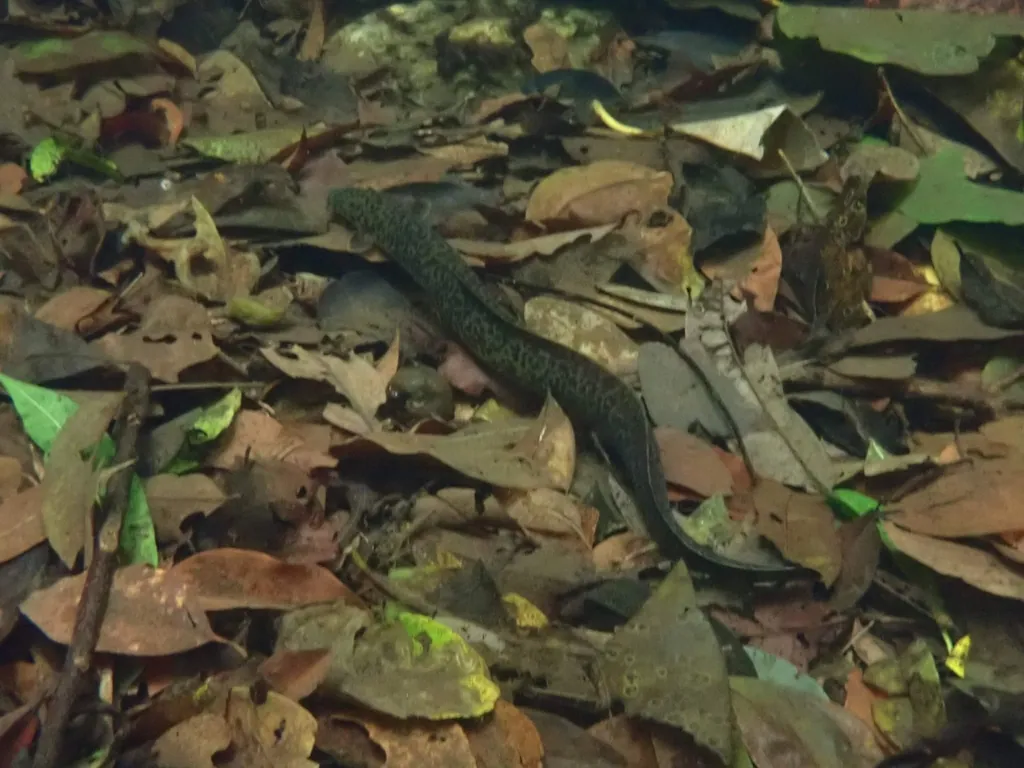
Freshwater eels
kubarr · dandarrbina · mawul · yabaAnguilla reinhardtii, A. obscura and A. marmorata (family Anguillidae)
Kuku Yalanji has at least four words for freshwater eels: kubarr, the big black eel; dandarrbina, the yellow eel; mawul, a small eel that only old people were allowed to eat; and yaba, a big-headed eel eaten only when th
Shellfish & crustaceans
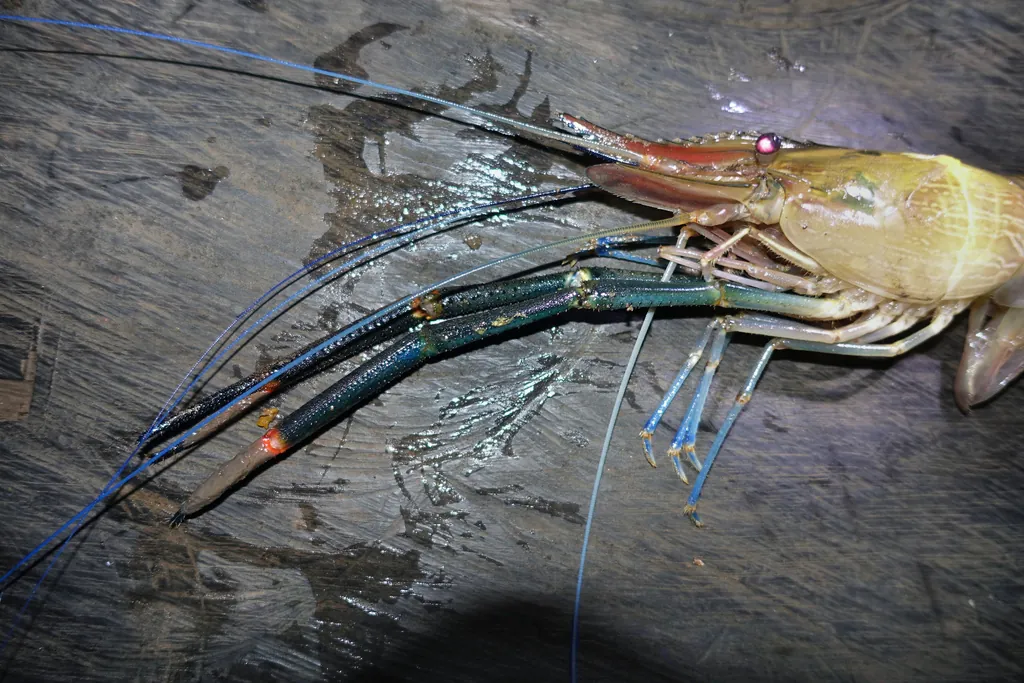
Cherabin (freshwater prawn)
wukujuMacrobrachium species, chiefly the giant river prawn M. spinipes (formerly M. rosenbergii) and the long-arm prawn M. lar
Wukuju is the Kuku Yalanji word for 'freshwater prawn, the big one with long legs': the big river prawns that north Queenslanders call cherabin. The largest, the giant river prawn (Macrobrachium spinipes), is a prized ca
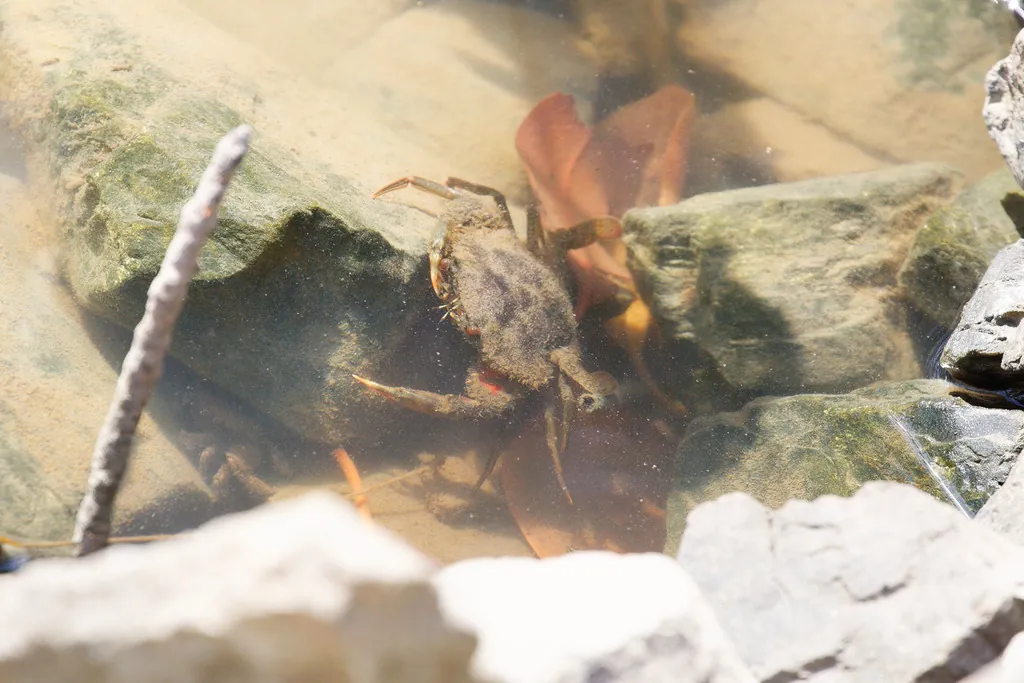
Mud crab
kijuScylla serrata
Kiju is the Kuku Yalanji word for the mud crab, the big, heavy-clawed crab of the mangroves (Scylla serrata). Eastern Kuku Yalanji Traditional Owners name kiju among the important food animals that breed in their mangrov
Insects & honey
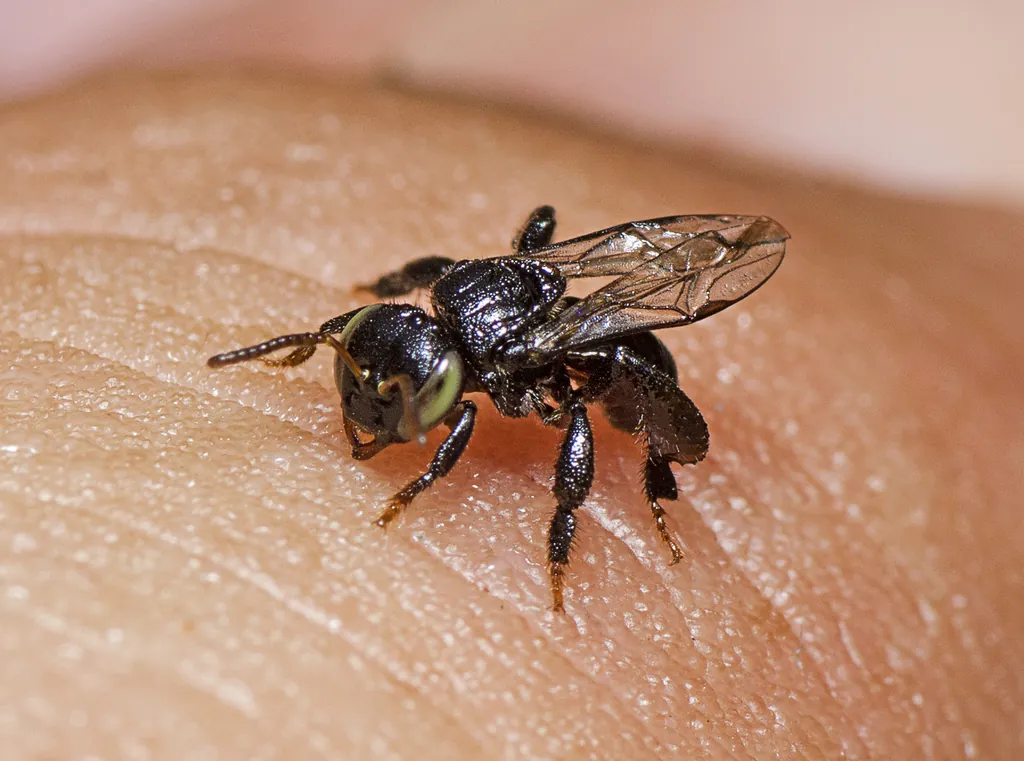
Native bees and sugarbag
dabu · kuja · kalburiji · mawal · kawar · mandi-mandi · dabadaba · wuju · wunbaTetragonula and Austroplebeia spp. (native stingless bees); Apis mellifera (wunba, the introduced honey bee)
Sugarbag is the honey of the small native bees that nest in hollow trees and in the ground. Kuku Yalanji has a whole vocabulary for it: dabu and kuja for bees and their honey, kawar for the 'honey bread', mandi-mandi for
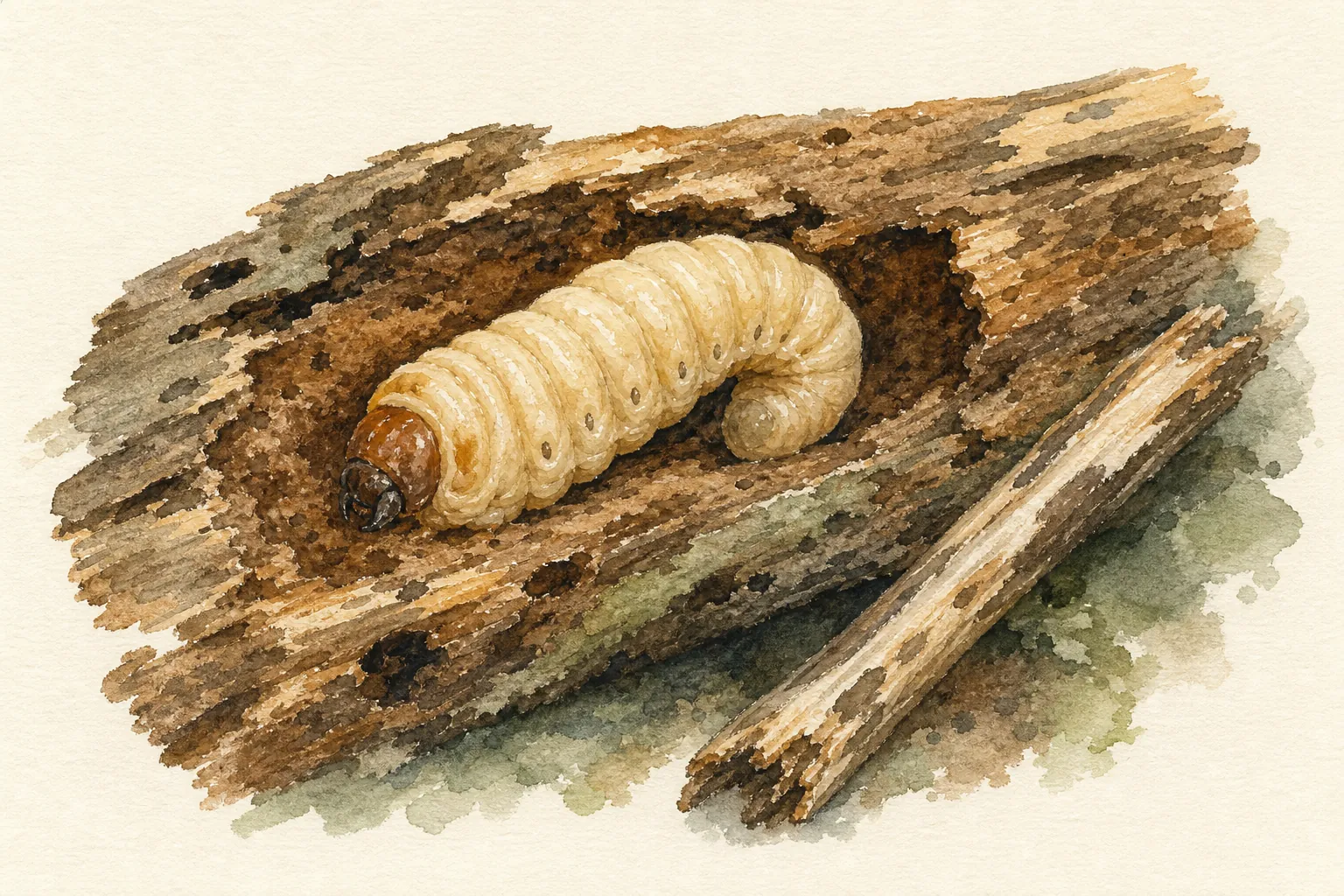
Witchetty grubs and green ants
mujurr · jambun · kuran · jiljay · kurran · durra · munjurr · kurrmaja · kalbalWood-boring larvae of beetles and moths (mujurr is a beetle larva); Oecophylla smaragdina (green tree ant)
Mujurr is the fat white grub found in rotting wood, which turns into the beetle ngirran. Kuku Yalanji also names a grub of green wood (kuran, a case-moth larva), a grub found in antbed (jiljay) and one in dry grass trees
Stone, ochre & earth
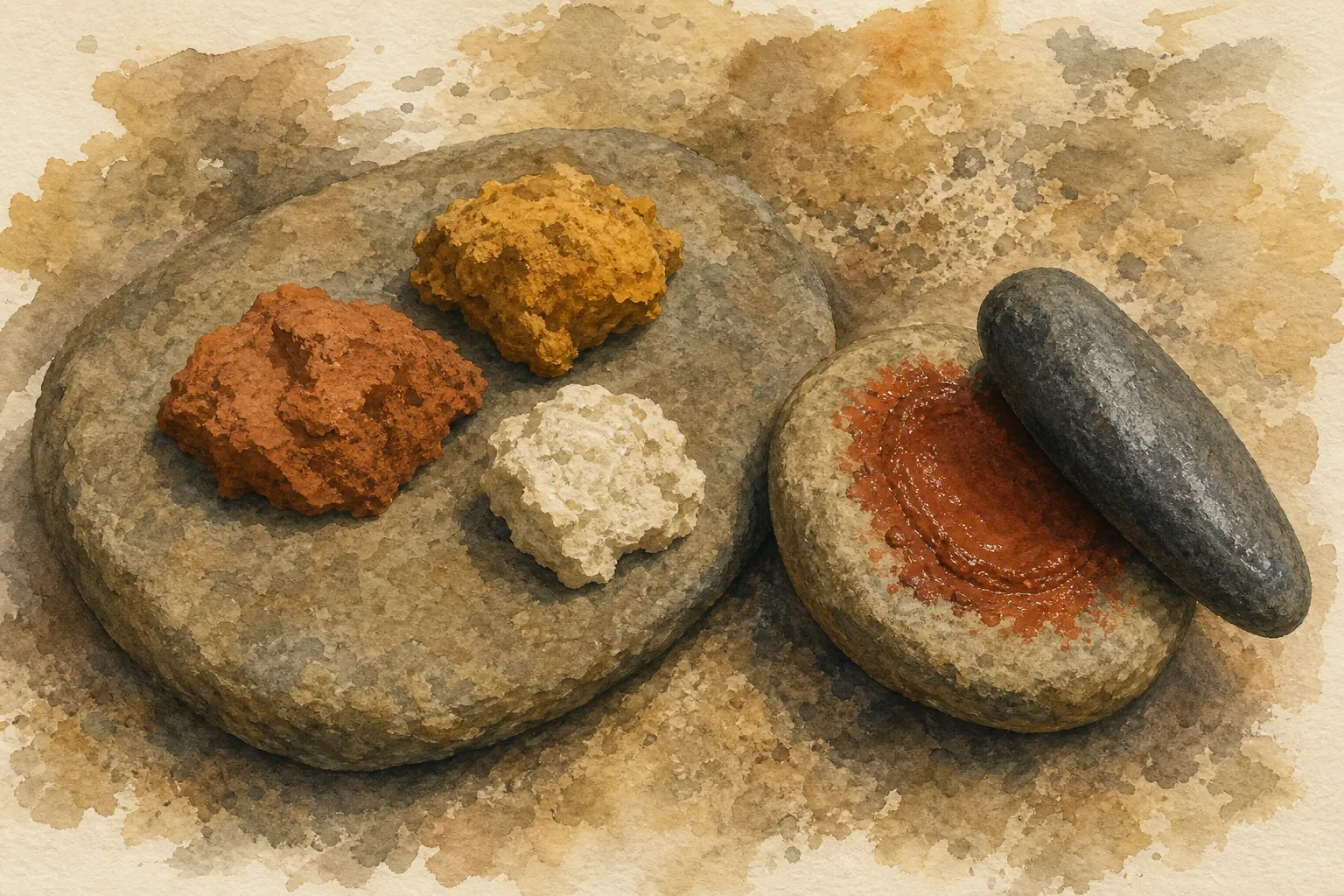
Red ochre
murbuy · wuba · makirr · makarra · kambarIron-oxide earths (haematite, ferruginous clay); kaolin (white clay)
Murbuy and wuba are red ochre. Makirr is yellow ochre, makarra 'streaky yellow ochre' and kambar 'white clay'. Together with charcoal, these earths were the paint box of the Bloomfield. They were used for painting the bo
Stone
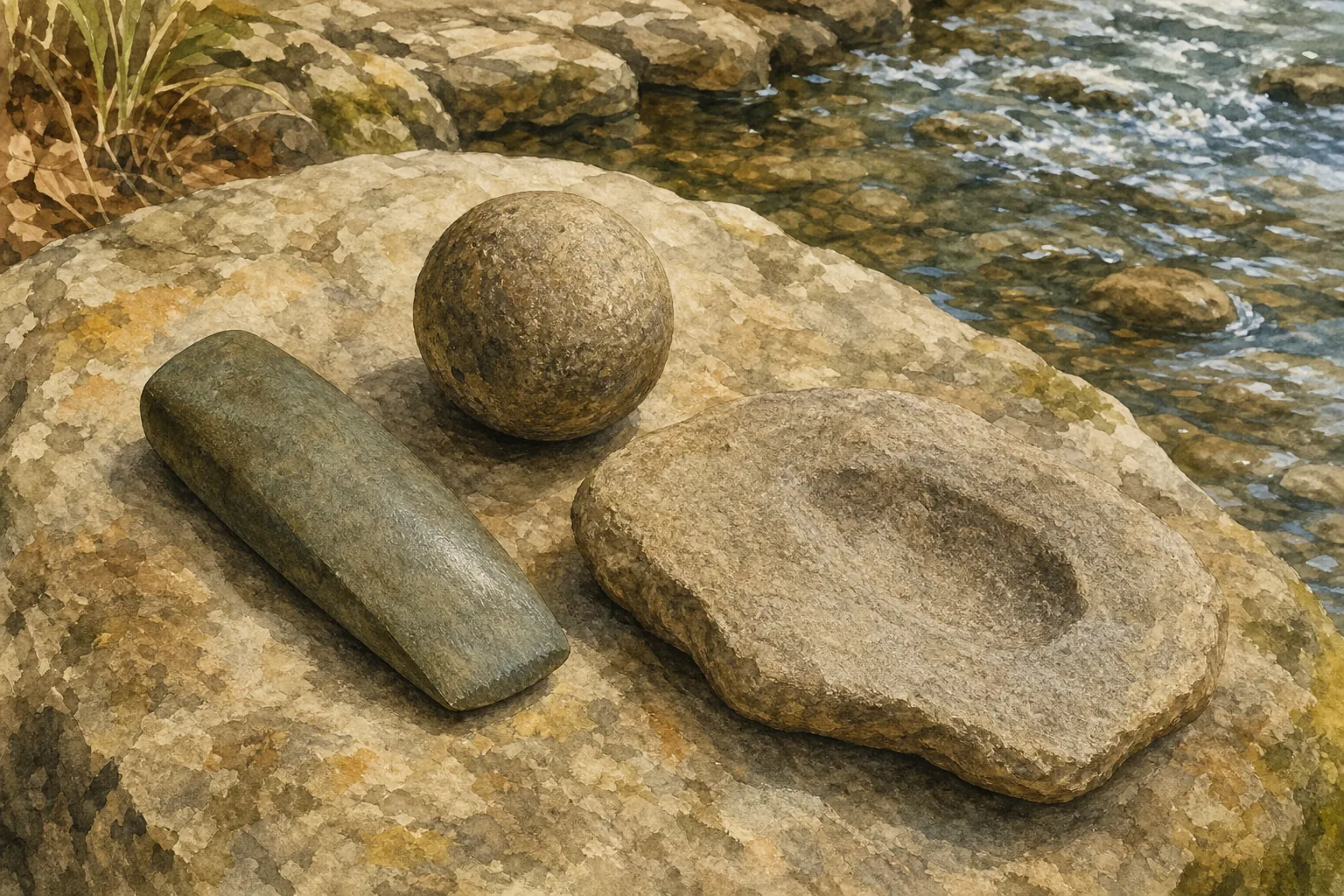
jangka · kulji · jalngarr · jinali · jundi
Jangka is stone in Kuku Yalanji, and the dictionary has a word for each kind that matters: kulji 'pebbles, small stones', jalngarr 'flat rock', jinali 'smooth rock' and jundi 'pumice stone, carborundum stone'. Stone was
Spears & weapons
Fire
Foods & cooking
Skills & methods
Dilly bags
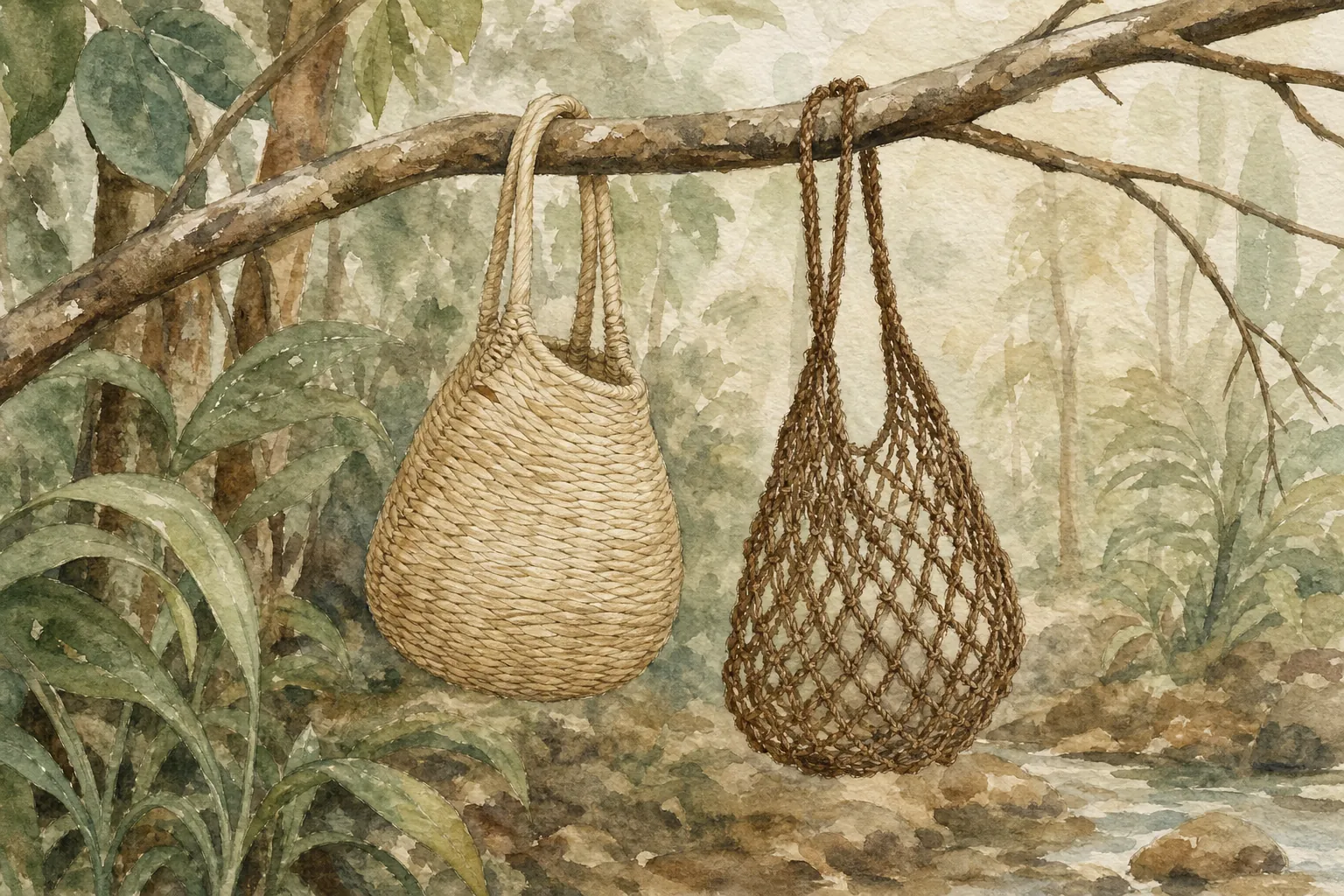
balji · ngunyin · kakan · ngurran · bilanji · mawu · wukurril
A balji is a 'ladie's dilly bag, made from grass or black palm', and a ngunyin is a dilly bag: on the Bloomfield River, the men's bag of fig-fibre twine. Anderson describes three main Bloomfield kinds: a black palm fibre
Fish poisoning
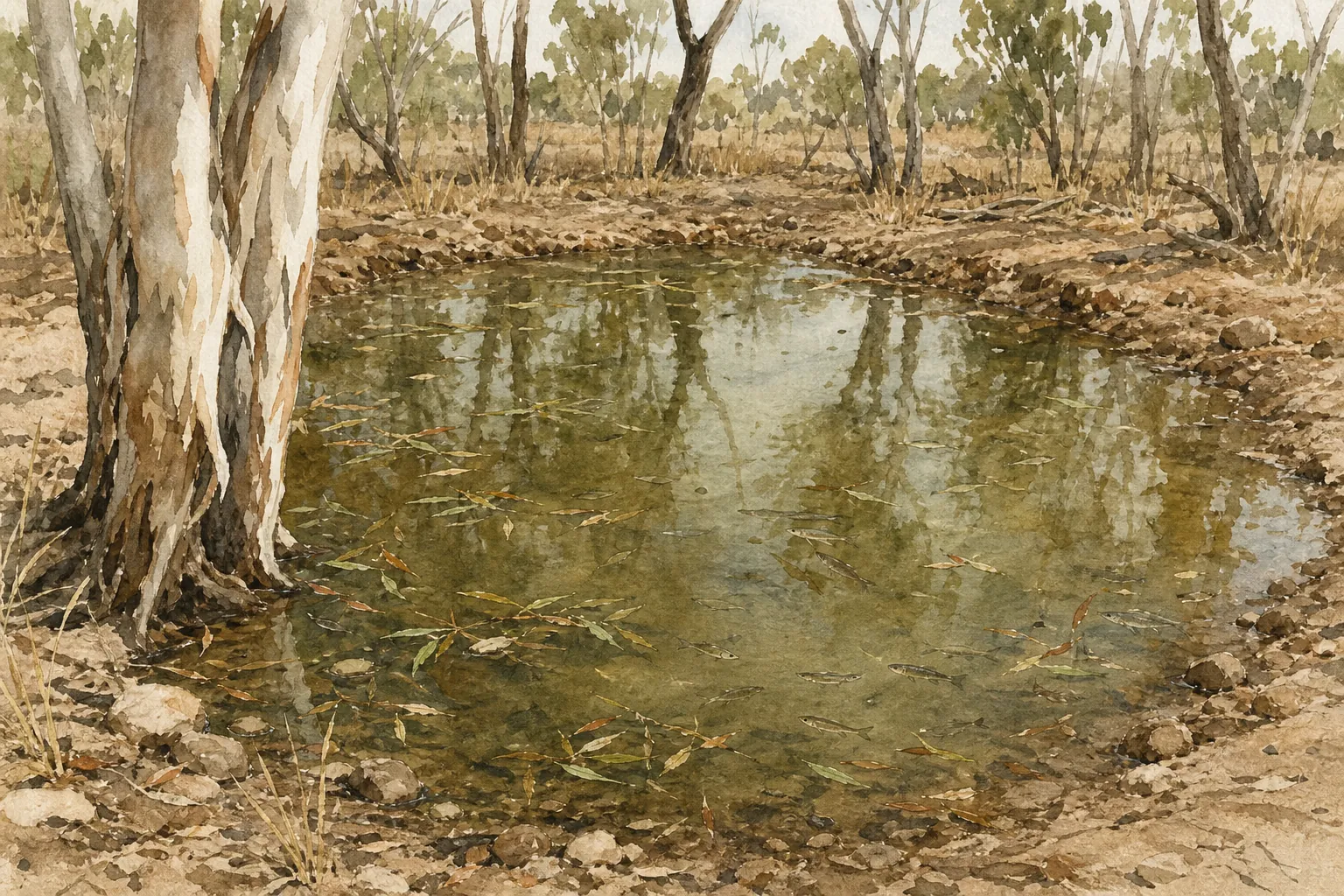
miyil · kuli
Fish poisoning stuns fish in a still pool with crushed bark, leaves, seeds or fruit. The fish float up dazed and are picked out by hand. At Bloomfield it was a late dry-season method in the inland creeks, when the smalle
Fish traps and weirs
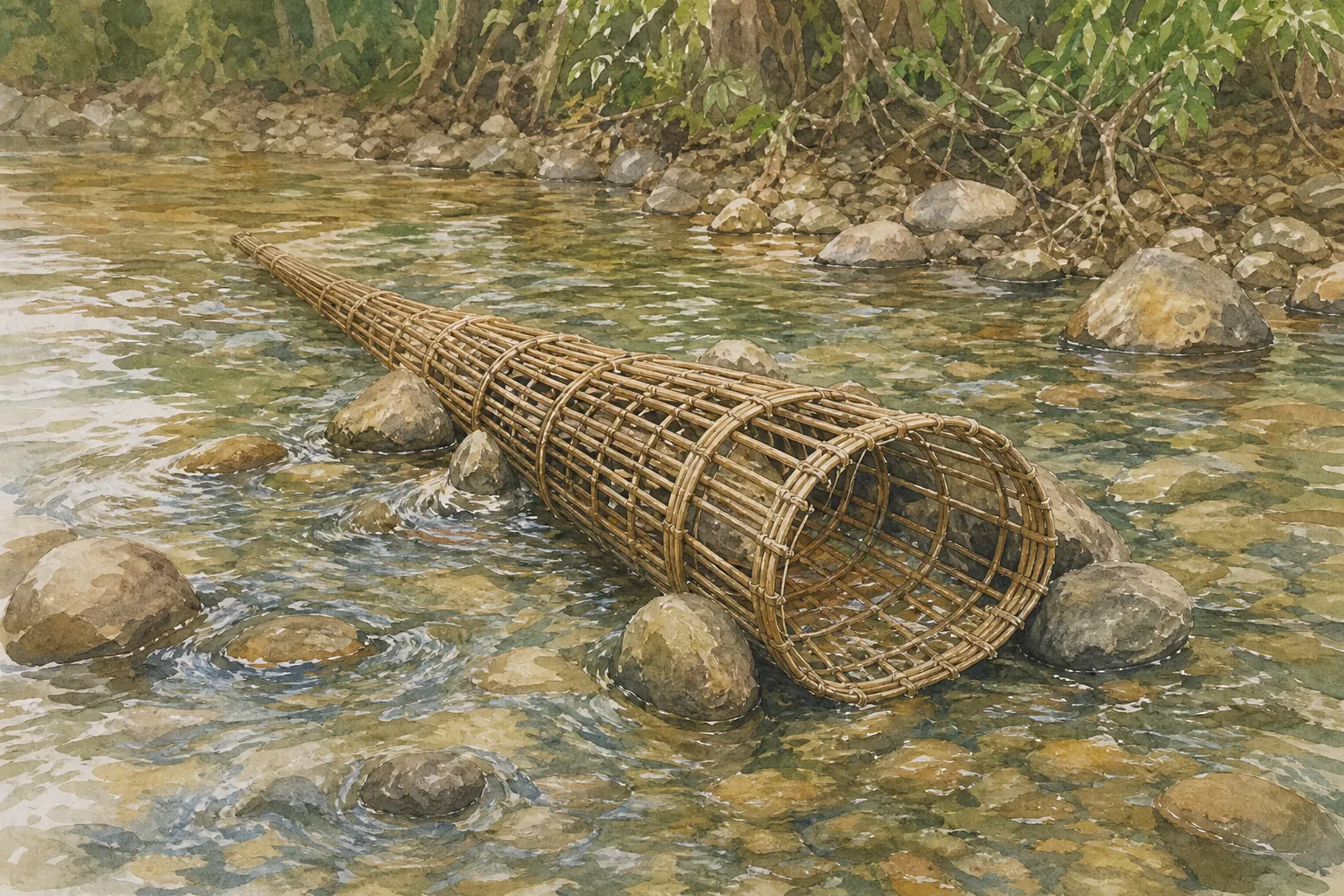
wukurril · kanbil · milmarr
Fish traps catch fish without hook or spear. A cane cage, a stone dam or a fence of sticks blocks a stream, and the fish are taken as the water falls or as people drive them in. Neither Roth's Bloomfield records nor Ande
Fishing nets
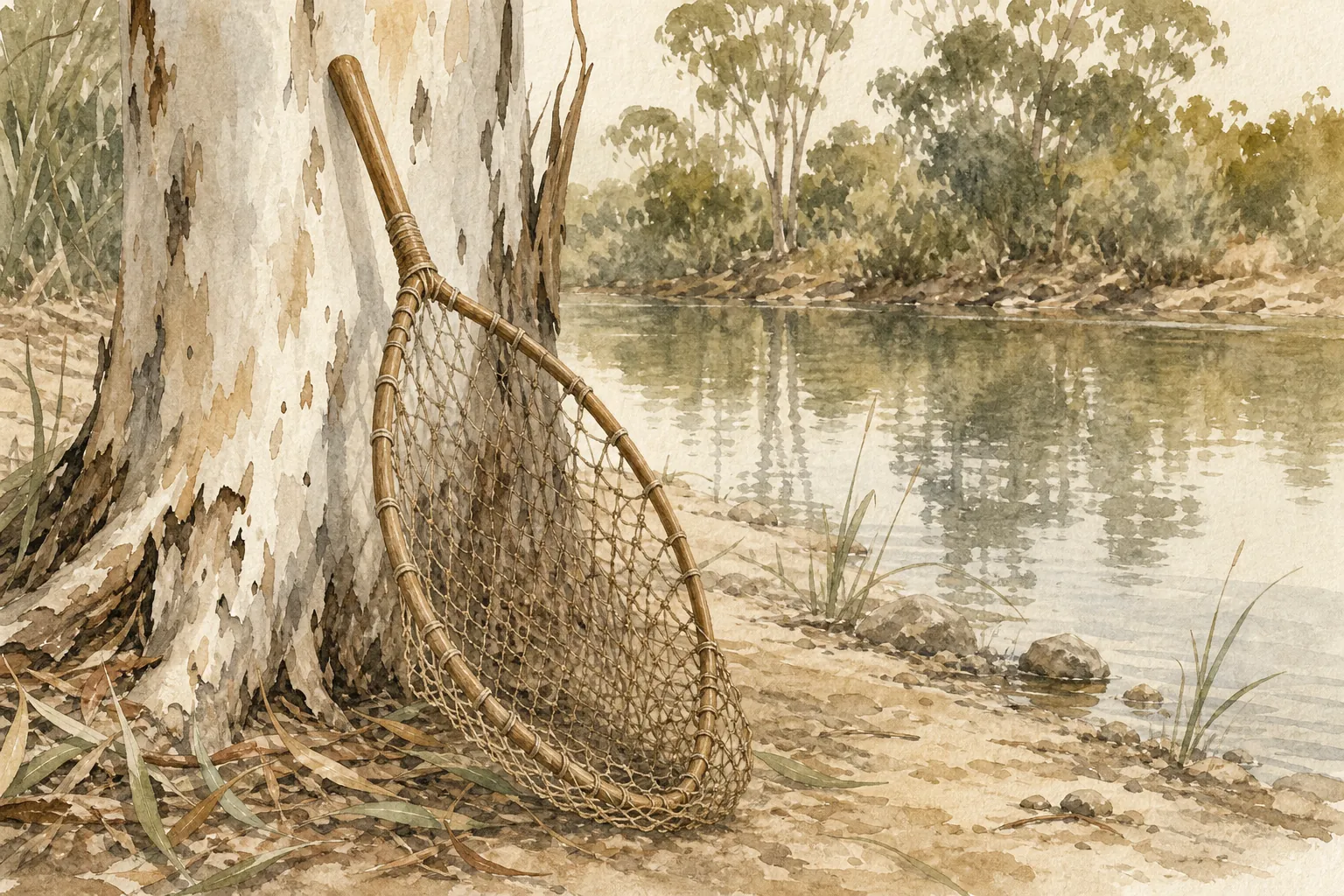
makarr · warrur · ngunyin
A makarr is a fish net. The dictionary records nets made of warrur bark, 'dragged through the water in the dry season when the water goes down'. Roth, writing in 1901, thought fish-nets were not used on the Bloomfield, t
Hooks and lines
badur · mandurr · ngarruy
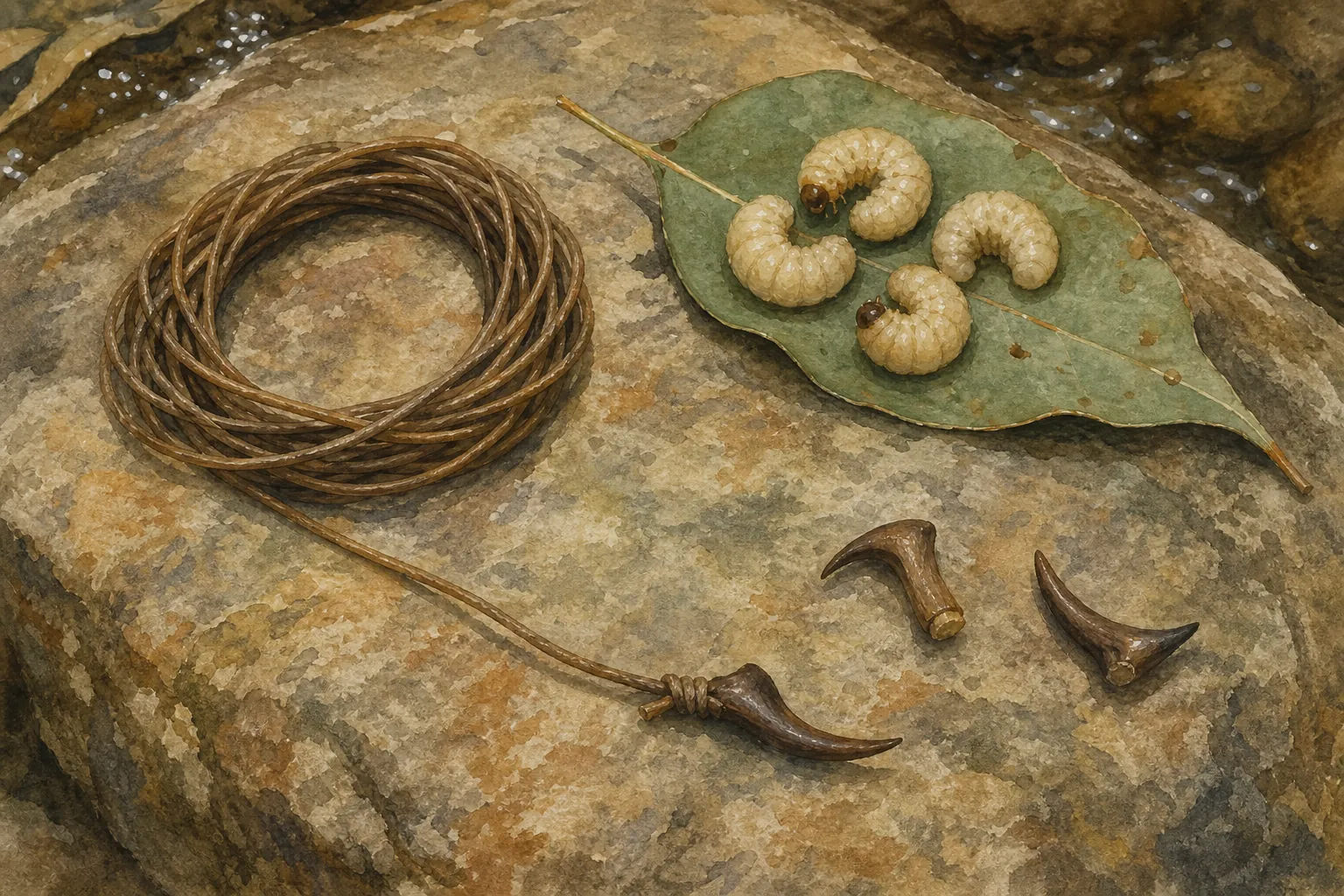
Fishing with badur, 'hook and line', was a year-round Kuku Yalanji method that worked even in muddy water, when spearing could not. At Bloomfield it was mostly women's work. In salt water the line was twisted from the ba
Hunting with fire
ngalku · duli · balbi · baya · kangal · karangaji · kubu
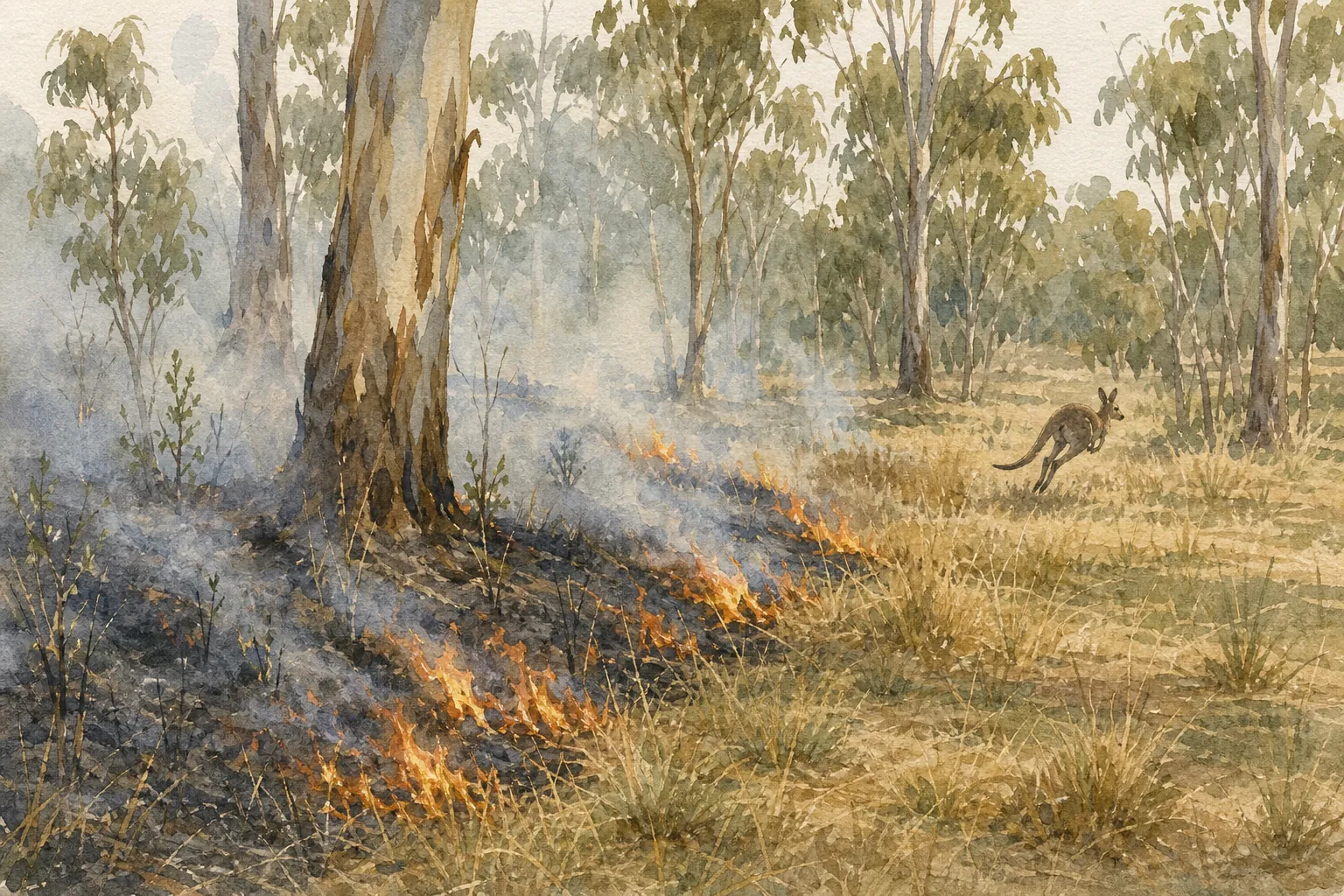
Kuku Yalanji hunting on land was usually a matter of one or two men, but in the dry season whole groups held wallaby drives with fire. Fires were 'carefully lit to create a ‘wall’ of fire going in one direction with only
Leaching poisonous plant foods
ngabal · julurril · nyurrbal · dirka · marrbal · jinali
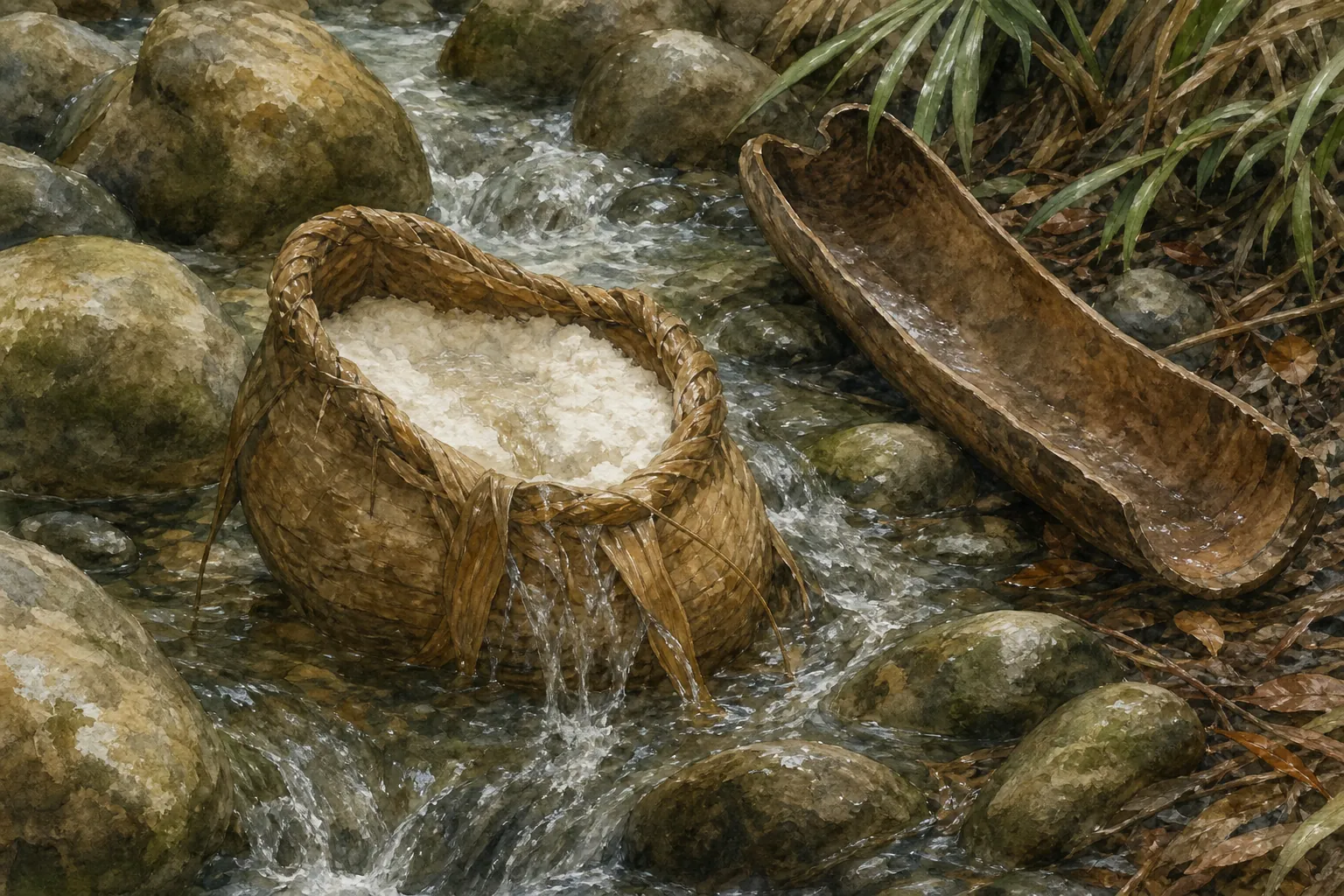
Leaching is how Kuku Yalanji people made poisonous plant foods safe to eat. The food was cooked, broken down very fine, sifted, and then washed in running water or in bark troughs of fresh water until the bitter taste, w
String, twine and rope
karra · ngurran · kuralbi · warrur · ngunyin · biyal · murnil · kajal
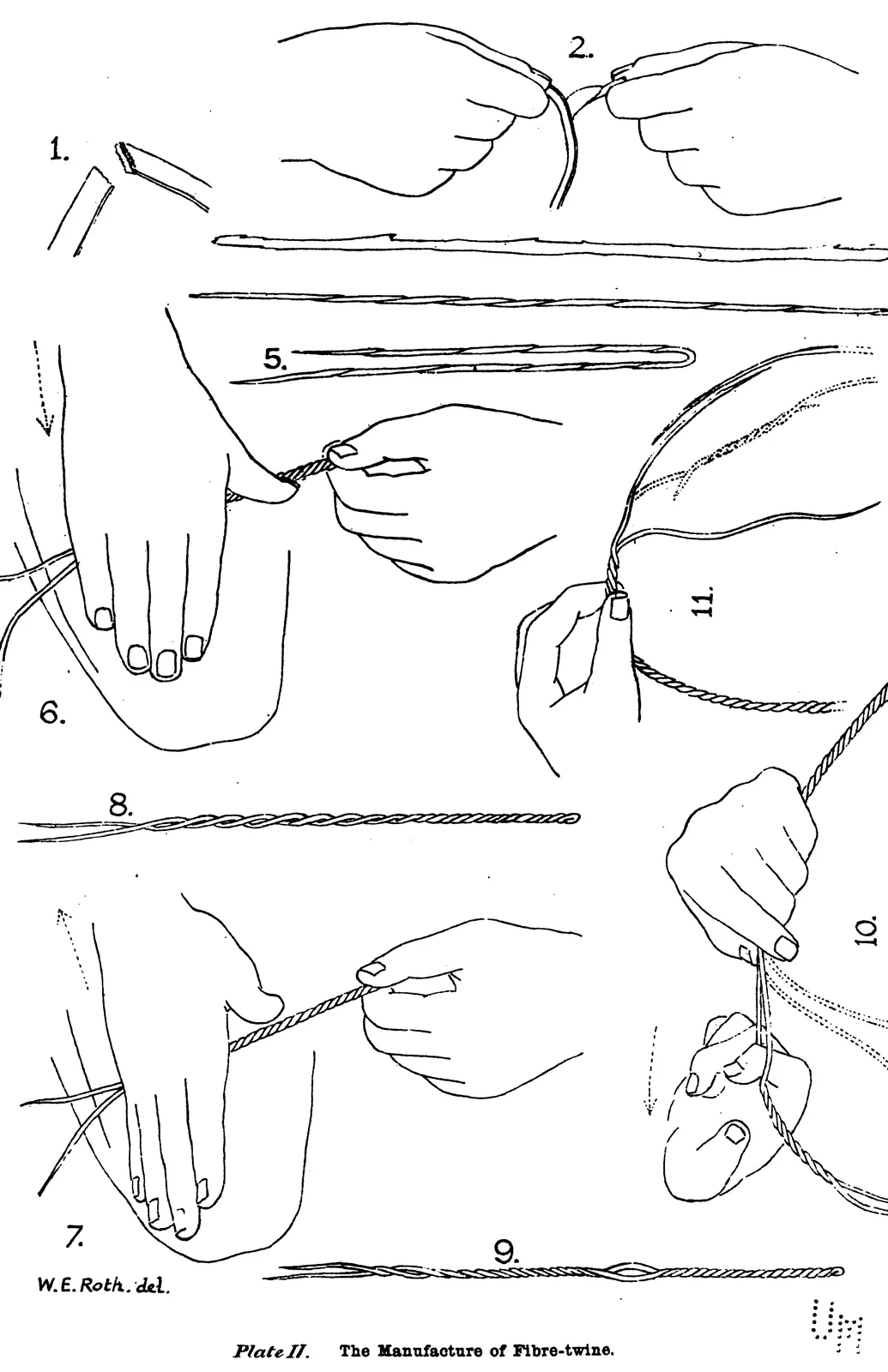
Karra is 'rope, cord, string'. Kuku Yalanji people made string from the inner bark of figs and other trees, from grasses and palm fibre, and from wallaby-tail sinew. It became fishing lines, nets, dilly bags, turtle-harp
Pages still to write
Things other pages mention that don't have their own page yet, most-needed first. Dotted links in the text point here.
- Seasons — mentioned in Barramundi, Black bean, Black bream (sooty grunter), Candlenut, Cherabin (freshwater prawn), Earth oven, Firestick and fire, Fish poisoning, Fish-poison plants, Fishing nets, Freshwater crocodile, Freshwater eels, Freshwater turtle, Hunting with fire, Ironwood, Leaching poisonous plant foods, Native bees and sugarbag, Paperbark, Red cedar, Saltwater crocodile, Yams, Zamia
- Wild ginger — mentioned in Black bream (sooty grunter), Cassowary, Earth oven, Fishing nets, Freshwater catfish, Freshwater crocodile, Freshwater eels, Goanna, Leaching poisonous plant foods, Paperbark, Scrub hen, Scrub turkey, Sea turtle, Yams, Zamia
- Mangroves — mentioned in Barramundi, Black bean, Cassowary, Fish poisoning, Fish-poison plants, Leaching poisonous plant foods, Mud crab, Paperbark, Red cedar, Saltwater crocodile, Sea turtle, Witchetty grubs and green ants
- Axes and adzes — mentioned in Earth oven, Freshwater crocodile, Hunting with fire, Lawyer cane, Native bees and sugarbag, Red cedar, Stone, String, twine and rope
- Bark troughs — mentioned in Black bean, Dilly bags, Earth oven, Fig trees, Freshwater catfish, Freshwater eels, Leaching poisonous plant foods, Paperbark
- Canoes — mentioned in Candlenut, Lawyer cane, Paperbark, Red cedar, Scrub hen, Sea turtle, String, twine and rope
- Frogs — mentioned in Black bream (sooty grunter), Freshwater catfish, Freshwater crocodile, Freshwater eels, Freshwater turtle, Hooks and lines, Lawyer cane
- Kurrajong and peanut tree — mentioned in Black bream (sooty grunter), Freshwater eels, Hooks and lines, Sea turtle, String, twine and rope, Wallabies and kangaroos
- Bloodwood — mentioned in Black palm, Cherabin (freshwater prawn), Fish traps and weirs, Freshwater eels, Spear and woomera
- Huts and shelters — mentioned in Ironwood, Lawyer cane, Pandanus, Paperbark
- Sinew — mentioned in Black palm, Grass tree, Spear and woomera, String, twine and rope
- Stingrays — mentioned in Black palm, Fishing nets, Mud crab, Spear and woomera
- Bailer shells — mentioned in Fishing nets, Red cedar, Spear and woomera
- Brown cedar — mentioned in Grass tree, Paperbark, Red cedar
- Cotton tree — mentioned in Candlenut, Red cedar, Scrub hen
- Blady grass — mentioned in Fish traps and weirs, Freshwater eels
- Digging sticks — mentioned in Black palm, Yams
- Wild plums — mentioned in Black bean, Leaching poisonous plant foods
- Bark blankets and bark cloth — mentioned in Candlenut
- Beeswax and gums — mentioned in Spear and woomera
- Dugong — mentioned in Sea turtle
- Freshwater mussels — mentioned in Mud crab
- Green ants — mentioned in Witchetty grubs and green ants
- Oysters — mentioned in Mud crab
- Possums — mentioned in String, twine and rope
- Pythons — mentioned in Black bream (sooty grunter)
- Rafts — mentioned in Red cedar
- Snakes — mentioned in Freshwater crocodile
- Water lilies — mentioned in Earth oven
- Echidna — mentioned in