Water
The waterhole
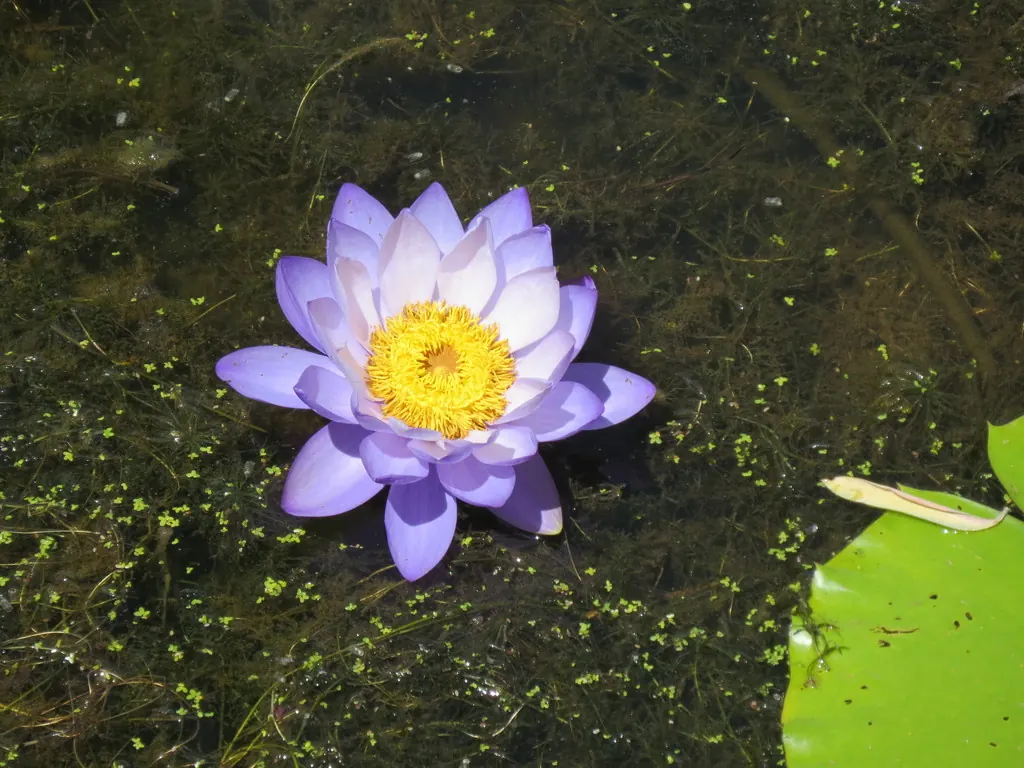
A waterhole, yarru in the dictionary's sense of 'deep water hole', is the pool that is left when a sand-bed river like the Mitchell stops flowing[1]. Through the dry season such a river is a chain of pools joined by trickles or dry sand, and everything that lives in the river is packed into them[2]. That makes the waterhole the best place on country to understand how the river animals live with each other: the cherabin that graze the algae on the sand banks at night, the catfish that leave the deep water after dark to hunt them in the shallows, the black bream that take prawns and fruit in the daytime around the rock bars, the barramundi, mouth almighty and sleepy cod that ambush at dusk and in the dark, the freshwater crocodile that feeds along the edge by day, the turtles working the bottom, and above them the darters, cormorants, kingfishers, kites and the night heron that each take their turn[3][4][5][6][7]. Underneath all of it is a film of algae growing on sand and rock in the sunlight, which Mitchell River research found is what feeds the fish of the waterholes[8]. This page is the hub for the river pages: it follows the pool through one day and through one year, and says who eats whom, and when.
Hann River Cape York
Possum People's country on the upper river and Thaypan (Kuku Thaypan) country downstream: stringybark and bloodwood woodland and a spring-fed sandy river that runs north-east from the Great Dividing Range, past the Peninsula Developmental Road, into Rinyirru (Lakefield) and the North Kennedy. Not Kuku Yalanji country: the Kuku Yalanji words on this page are the dictionary's, not the Hann's own languages. Place guide
The Hann does not stop. It is fed by springs from the sandstone, and its gauge at Sandy Creek has not recorded a single day without flow since 1968, so in the late dry it is a low, clear run between deep holes, not a chain of pools in dry sand[40][41]. Downstream in Rinyirru (Lakefield) the wet season leaves 'an extensive wetland system of billabongs, lagoons, swamps and lakes'[42]. The upper Hann is the Possum People's country and the middle and lower Hann are Thaypan country[43][44].
The water here
The river. Flow on the Hann is highest in February and March, a mean of about 20–22 cubic metres a second, and lowest from September to November, about 0.3–0.4. The lowest daily flow on record was 0.037 cubic metres a second, in November 2010[40]. The springs that keep it running are fed by water that 'seeps down through the high elevation sandstone and recharges the groundwater'[41].
The lagoons. On Rinyirru's floodplain 'some wetlands dry out completely while others, such as Red Lily Lagoon, retain some water all year round'; by the end of the dry such a lagoon 'may appear dry around the edges but water is retained towards the centre'[42]. The North Kennedy, which the Hann joins, has 'many deep permanent waterholes'[42]. Kuku Thaypan Elders count lagoons and swamps as one of the nine kinds of country on their land[45].
Who lives in them. In a box of about 90 × 85 km around the middle Hann, Laura and western Rinyirru, the Atlas of Living Australia holds 127 fish records (1960–2026): rainbowfish most often, with archerfish, spangled perch, eels, mouth almighty, Hyrtl's catfish, barramundi, sleepy cod and sooty grunter. It holds 632 darter records and 247 nankeen night heron records (1976–2026), and 27 cane toad records (1970–2026)[46]. Anglers' catches at Lakefield in 1986–91 included 'archerfish (Toxotes sp), tarpon (Megalops cyprinoides), sooty grunter (Therapon fuliginosus), sleepy cod (Oxyeleotris lineolatus), jewfish (Tandanus spp.), eels (Anguilla spp.) and long tom (Strongylura kreffti)'[47].
Its year here
The wet (December to March): the rivers flood and spill onto the plains, and 'animals disperse far and wide as food and water is plentiful'[42].
The dry: around April the rains ease, and over the next six months the floodplains dry out, until 'by October the land is brown and parched'[42]. Then the permanent water is everything. At Catfish Waterhole on the North Kennedy, 'during the dry season, as water becomes scarce elsewhere, large numbers of wildlife congregate here for food and shelter'. Darters and little pied cormorants roost on the old logs by day; nankeen night herons stalk the edge 'for small fish, frogs and shrimps'; and 'crocodile numbers increase during the dry season as they move into the permanent water'[42].
What has changed. Feral pigs, in large numbers, 'eat the bulbs of water lilies and turtle eggs'[48]. The Kuku Thaypan Elders remembered mussels once larger and more plentiful, eels once present right across the wetlands and now rarely seen, more birds, and wetlands so clear 'it was possible to see the bottom' when they were young[45].
How people used the waterholes here
'Aboriginal people collected valuable food, medicine and material resources from many of the national park (CYPAL) lagoons and waterholes, but not from Rarda-Ndolphin. Traditional laws protect the lake and its surroundings from all disturbances'[42]. In Kuku Thaypan country, particular family groups are responsible for the care of 'particular lagoons, river systems or part thereof'[45].
Hollow-log fish traps. The Kuku Thaypan Elders spoke of Rungol (hollow logs) 'that were cut from the Ku akulumbah Messmate woodland and used as fish traps', set in the lagoons; old ones still lie decaying on the bottom, 'without people on country to cut them and place new ones'[45]. Roth saw the same method around 1898 in the hinterland of Princess Charlotte Bay, for crayfish, eels and fish 'somewhat resembling "rock-cod"'. In November 1898 he watched ten or twelve lads working these logs in a pool near the Musgrave Telegraph Station, and on the North Kennedy and the lower Normanby he passed waterholes with logs lying on their banks[37].
The catch. The Court recorded a Possum man's evidence of 'fishing for barra, jewfish, catties and spotties' and finding cherabin and freshwater crayfish[43]. A Thaypan man said: 'We get wallaby, barramundi, freshwater fish and turtles and mussels'[44].
Fishing with a hollow log (Roth, Princess Charlotte Bay hinterland)
As Roth described it around 1900[37]:
- Cut hollow logs of paperbark or bloodwood, 4 to 7 feet long.
- Throw them into the waterhole and leave them three or four hours, or all day, or until you pass that way again.
- Tread water, or dive if it is deep, and find the log on the bottom.
- Bring it up at an angle, with one hand closing the lower end.
- Lift it above the surface and let the water trickle out through your fingers; whatever is inside stays in the log.
The Elders' own knowledge of where and how the Rungol were set belongs to them[45].
Staying safe here
- Both crocodiles live here. The Elders' lagoons 'can and do contain large saltwater crocodiles'[45]. Some lagoons where people camped regularly were kept clear of them: the salties were 'actively netted out of places where people had regular camps for safety'[45]. See the crocodiles page.
- Never dive alone. Around Princess Charlotte Bay and the lower Normanby, people diving for water-lily seed had a friend watching from the bank, who splashed the water on seeing the 'long streaky film of fine bubbles indicating the approach of the reptile'[49].
On country today
The 2023 determinations recognise native title over the Hann: the upper Hann is held by the Possum Aboriginal Corporation and the middle and lower Hann by the Awu-Laya Indigenous Corporation[43][44]. The rights include the right to 'take the Water of the area for personal, domestic and non-commercial communal purposes'[43].
The old people's rules. A Possum man: 'There are strict rules that you don't take too much'[43]. A Kuku Warra man, from the country beside the Hann: 'before I pull my line out if I'm fishing I'll sing out to the old people and say "Hey old people, I'm coming to take some fish. I just want a little bit."' And: 'If we do get a good catch, we must always leave three or four fish on the banks after we leave to show appreciation for the people of the country'[50].
In Rinyirru, recreational fishing is allowed at all camping areas, and 'Fisheries regulations apply'[51]. The Traditional Owners' own answer to cattle and pigs in their waterholes is plain: they want 'to simply fence the water hole off to keep pigs and cattle out'[45].
Upper Mitchell Western Yalanji
Western Yalanji country west of the Great Dividing Range: dry open woodland cut by the sandy, paperbark-lined upper Mitchell River, around Karma Waters and Mount Carbine. Place guide
From about May to the first storms, the river at Karma Waters is a chain of pools joined by trickles or dry sand, and everything that lives in the river is packed into them[52][2].
The Mitchell's pools
The Mitchell rises in the ranges inland of Mossman and runs north-west past Mount Carbine through Karma Waters before swinging west to the Gulf of Carpentaria[52]. Up here it is a sand-bed river: in the wet season it is a wide, brown, fast river that spreads over its banks; in the dry it shrinks to a string of pools between banks of pale sand, with bars of hard Hodgkinson Formation rock across the bed and a fringe of paperbark along the water[52][53]. The station names its river camps for exactly these pools[52].
Who lives in them
Within 30 km of the Karma Waters homestead the Atlas of Living Australia has records of the whole cast of a Mitchell waterhole: rainbowfish, banded grunter, mouth almighty, sooty grunter, spangled perch, bony bream, both eel-tailed catfish (Hyrtl's and black), sleepy cod, Gulf saratoga and archerfish; redclaw crayfish and the freshwater mussel Velesunio angasi; the northern yellow-faced turtle and the freshwater crocodile; keelback snakes, several tree frogs and the cane toad; and a long list of waterbirds, among them darter, little pied, little black, pied and great cormorants, pelican, great, intermediate and little egrets, white-faced and white-necked herons, nankeen night heron, black-necked stork, both ibises, two spoonbills, five kingfishers, whistling and black kites, white-bellied sea-eagle, osprey, comb-crested jacana and green pygmy goose[7]. Barramundi and cherabin are part of the Mitchell system but thin this far upstream; see their own pages[7].
Safety here
Freshwater crocodiles are the ones recorded near the homestead, but treat every pool as crocodile water. Cane toads are recorded in these pools[7].
On country today
The pools of the upper Mitchell are on Western Yalanji country. Karma Waters falls under the 1998 Western Yalanji or 'Sunset' Peoples v Pedersen consent determination[54][52]. Anyone who is not a native title holder needs the Traditional Owners' permission and the station's, and the station closes its river camps from 1 December to 1 April[52].
The research that this page rests on was done to answer one question: what the Mitchell's animals need from its flows. The answer was that the pools, the floodplain and the sea are one system joined by water, and that taking water out of the upper river shrinks the pools and cuts the connections that the fish and prawns depend on[3][23][11].
Eastern coast Eastern Kuku Yalanji
Eastern Kuku Yalanji country: rainforest, beaches, mangroves, reef and the short steep rivers from the Daintree to the Bloomfield and the Annan.
The dictionary's words for water country on this page were recorded at Bloomfield, in Eastern Kuku Yalanji country[1].
Seasons here
Bloomfield families moved out to small 'branch' camps in the dry to get eelfish, tortoises, wallabies and goannas[36].
Everywhere
Names
The dictionary gives yarru for a 'deep water hole'. The same word names a being in story, which is not a matter for this page; Traditional Owners speak about that[1]. Around it sit the plain words for water country: bana 'water', wawubaja 'river', yilki 'creek', dajali 'deep water', yalkan 'shallow water', yaral 'fresh water', mabil and walngka 'swamp', jalungkarr 'flood' and marral 'dry'[1].
For the parts of a pool: yikin 'bank', jalkar 'high bank', jukar 'sand', jalngarr 'flat rock', jinali 'smooth rock', walmba 'log', walngkal 'to float, as a log on the water', kababina 'fresh water lily' and wurrbal 'fog, mist rising from the river'[1]. One word says a lot about how people used waterholes: wuwu-damaji, 'to go back all the time to the same place, as a good place to fish'[1].
These are Eastern Kuku Yalanji words recorded at Bloomfield. The Western Yalanji words for the Mitchell River pools are not in the dictionary; if you know them, add them below.
The parts of a waterhole
A dry-season pool has a few distinct parts, and each has its own animals:
- The deep hole (dajali): the coolest, darkest water, where the big fish and the catfish spend the day and where the pool lasts longest into the dry[4][9].
- The shallows (yalkan) and the algae-covered sand banks: the feeding ground at night for prawns and catfish, and the place small fish and tadpoles gather[4][10].
- Rock bars and riffles: where the current still runs between pools; sooty grunter hold in fast shallow water over rock, day and night, and big male cherabin hole up under the rocks late in the dry[11][10].
- Undercut banks, roots and snags: cover for juvenile prawns early in the dry, ambush posts for sleepy cod and barramundi, and the places turtles and catfish hide[10][12].
- The edge and the sand: the crocodile's hunting ground and basking place, the mud where tracks are written, and where the kingfishers, herons and the stork work[6][13].
- The air above: darters and cormorants drying their wings on snags, kites and the sea-eagle circling, swifts and bee-eaters over the water in the evening[7].
Reading a pool: signs and tracks
You can read a pool before you see a single fish.
- Birds tell you what is in the water. Darters and cormorants sitting on snags with their wings out have been fishing; little pied cormorants on inland water are usually after crustaceans, little black cormorants after fish[14][15][16]. An azure kingfisher on a low branch means small fish and shrimps in the shallows below it[17]. A black-necked stork or egrets stalking the edge mean small fish, prawns and frogs in the shallows[13]. The dictionary records a bird, kurrujuwa, as a 'sentry bird which warns of crocodiles along the banks of the river'[1].
- Slides and tracks. A smooth slide down a sand bank into the water, with claw marks beside it, is a crocodile's; freshwater crocodiles bask on sand and rock bars and feed along the edge[6]. Turtle tracks are paired flipper drags with a tail line between them.
- Eyes at night. A torch across the shallows picks up the eyeshine of prawns on the sand banks, where they feed after dark, and the red eyes of crocodiles at the surface[18][19].
- Rises and swirls. Fish taking insects off the surface in the evening are saratoga, archerfish and rainbowfish; a heavy boil near a snag at dusk is a barramundi[20][21][22].
- Shells and bones. Piles of opened freshwater mussel (mukirr) shells on a bank are left by birds and water rats; crayfish and prawn remains under a kingfisher's perch tell you what it has been catching[1][17].
- Mist at dawn. wurrbal, the fog rising off the river, sits on the pools in the cold mornings of the mid dry[1].
What feeds a waterhole
Research on the Mitchell has looked at exactly this kind of pool. In the dry season the river's food web rests on periphyton, the algae and biofilm growing on sand and rock in the sunlit shallows: that carbon, not leaf litter from the banks, is what supports the fish biomass in the waterholes[8]. Snails, insect larvae and prawns graze it; the fish eat them. The same work found the Mitchell's fish are highly mobile, moving between pools, channel and floodplain whenever flows connect them, so the animals in a pool in October are not all the animals that were there in May[3][23].
Who eats whom, and when
One day in the pool
Before dawn (kunarangkal, 'middle of the night', into pre-dawn). The night shift is still working. Hyrtl's catfish, which spends the day near the bottom in about two metres of water, forages at night in water as shallow as 30 cm, nosing the sand for snails, mussels, shrimps, insect larvae and detritus[4]. Prawns are out on the sand banks grazing the algae; like other Macrobrachium, they shut down in bright light and come out in the dark, which is their main defence against being eaten[18][10]. In the weed and roots at the edge, the mouth almighty, a nocturnal ambush predator, is taking small crustaceans, insects and small fish[5]. The nankeen night heron, almost fully nocturnal and most active from dusk to dawn, is stalking the shallows[24]. The crocodiles are at their least active, lying at the surface[19].
Dawn (muduwaju) and morning (wunkuwingku). The light drives the prawns back into cover and the catfish into the deep water[18][4]. Crocodile activity rises with the light: radio-tracked freshwater crocodiles dived most in the morning, and their activity followed daylight rather than body temperature[19]. They hunt at the water's edge, taking mostly small aquatic animals, insects, fish and crustaceans, plus whatever lands on the bank[6]. The darters and cormorants start fishing, the darter swimming with only its head and neck out and spearing fish underwater[14]. Kingfishers take their perches[17]. Sooty grunter are feeding around the rocks and snags and in the fast shallow water of the riffles; radio-tracking in the late dry found no difference between their day and night habitat[25][11].
The middle of the day. This is the fishes' quiet time and the birds' working time. Turtles bask on logs and rock. Archerfish patrol under overhanging branches, knocking insects off the leaves with a jet of water; saratoga cruise just under the surface for insects, small fish and crustaceans[21][20]. Whistling kites, black kites and the sea-eagle circle the pool for fish, carrion and anything dead on the banks[26]. The crocodiles bask on the sand[6].
Late afternoon (yilay-yilay) and dusk. The surface comes alive with insects, and the rainbowfish, saratoga and archerfish feed hard on them[21][20]. Barramundi, which eat 'just about anything that lives in or around water', hunt the edges and snags; a big barramundi's diet is about 60 per cent fish and 40 per cent crustaceans, mostly prawns[22]. The night heron leaves its roost shortly after sunset[24]. The sleepy cod, which sits among snags and vegetation in slow water, and the mouth almighty come out to ambush[12][5].
Night (wujurr). The prawns move out onto the sand banks, the catfish into the shallows after them, and the ambush fish wait where the two meet[18][4][5]. Spangled perch spawn in the shallows at night over soft bottoms after rain[27]. In April and May, on the lower rivers, the year's young cherabin run upstream by the hundreds of thousands a night, timed to the moon and the hour, with young barramundi and mullet moving with them[28][10].
Who eats whom
Mitchell River diet studies put the prawn at the centre. Prawns 'featured prominently' in the diets of fish with big mouths or big bodies: mouth almighty, spangled perch, sooty grunter, Hyrtl's catfish, sleepy cod and barramundi[3]. In the Daly, a sister river, the sooty grunter's diet was dominated by palaemonid prawns, with terrestrial insects a tiny fraction[29].
- Algae and biofilm on sand and rock feed the snails, insect larvae, bony bream and prawns[8].
- Prawns (cherabin and the smaller Macrobrachium) are eaten by catfish, sooty grunter, spangled perch, mouth almighty, sleepy cod and barramundi; by freshwater crocodiles, whose stomachs held shrimp in every size class; by little pied cormorants and azure kingfishers; and, if they are small enough, by black-necked storks and egrets[3][30][15][17][13].
- Snails, mussels and insect larvae are the catfish's main food, and part of the turtles'[4][31].
- Small fish (rainbowfish, young grunter, bony bream) feed barramundi, saratoga, mouth almighty and sleepy cod, the darter, the cormorants, the kingfishers, the kites and the crocodiles[22][20][14][6].
- Big fish, turtles and snakes are taken by big crocodiles: as crocodiles grow, fish, turtles and snakes become a larger share of what they eat, and spiders, insects and frogs a smaller one[30].
- Barramundi eat barramundi. When one year's young are numerous they eat the next year's recruits[22].
- Turtles are omnivores: in clear water much of their food is bottom invertebrates; in muddy water, more algae and land insects that fall in; a related species switches to meat when plant food is scarce[31][32].
- Carrion on the banks and floating fish go to the kites, the crocodiles and the turtles[26][6].
One year in the pool
The wet (kambar). The flood (jalungkarr) joins the pools into one river and the river to its floodplain. This is when the fish spawn: sooty grunter on rising water above 25 °C, black catfish on upstream migrations at peak flood, spangled perch after rain[25][33][27]. Barramundi spawn at the river mouths between September and March, and cherabin larvae hatched from December to March must reach salt water within seven days or die[22][28]. On the floodplain, big fish such as barramundi and fork-tailed catfish feed mostly on floodplain food while the water is up[23].
Early dry (April–June). The river drops back into its bed. Juvenile cherabin come back upstream in a six-week run and live along banks with cover: sticks, undercuts and roots[10]. Fish that spread out in the wet are back in the pools. The river is cool; the fish are in good condition.
Mid dry (July–August). Algae and plants colonise the big sand banks, and the young prawns move onto them to feed[10]. The pools are clearest now, the food base at its richest, and the catfish and grunter fat. Nights are cold and the morning mist sits on the water.
Late dry (wangariji, the hot season, September–November). The pools shrink, warm and concentrate everything. A Flinders River study tracking isolated waterholes through a dry season found fish biomass fell as the pools contracted, from limited food and from predation[2]; a seven-year Northern Territory study found the river shrank to a single refuge pool, with the fish-eating fish a major and variable part of what was left[34]. Water temperature in these refuge pools can approach what the fish can stand[9]. By now the juvenile prawns 'had grown or been eaten', and the big breeding males hold the rock bars and undercut banks[10]. Crocodiles gather in the deeper pools as the water drops[6]. Freshwater crocodiles ate much more in the wet season than in the dry[6]. The first storms break the pattern, and the year starts again.
Seasons
The fishing calendar follows the pool:
- Barramundi in Gulf fresh waters are closed from 7 October to 31 January[35].
- Grunter, catfish, prawns and turtles are dry-season food: the pools are reachable, the fish concentrated, the water clear.
- The first storms muddy the pools and spread the fish; the wet is the season to leave the river alone.
- Cold nights (kiway 'cold') in June and July slow everything; the hot season (wangariji) is when the pools are at their most crowded and their most dangerous[1][9].
What people take from a waterhole
A waterhole is a larder, a water supply and a camp. From it people took fish (catfish, black bream, barramundi, the smaller grunters and perches), cherabin, freshwater turtles, freshwater mussels, water lilies for their roots and seeds, frogs and grubs for bait, and in the old days freshwater crocodile and its eggs[36][1][37]. The dictionary's fishing words belong here: kuyu 'fish', mandurr 'bait (any kind)', ngarruy 'shellbait', bikarrakal 'a kind of grub used for bait', badur 'hook and line', yinba 'fish spear', yirrmba 'many-pronged fish spear', makarr 'fish net' and warrur, the bark 'used to make fishnets, which were dragged through the water in the dry season when the water goes down'[1]. How each is done is on the hooks and lines, nets, fish traps and fish poisoning pages.
Working a pool through a day
This is how to work a pool through a day, putting the animals' own timetable to use. The gear rules for fresh water are on the fish pages: hand-held lines, listed traps, no spears in fresh water, no cast nets or crab pots[35].
- Read the pool first (see Signs). Find the deep hole, the rock bar, the sand bank with algae on it, the undercut bank and the snags. Look for the crocodile slide before you choose where to stand.
- Dawn and the first hour: fish the rock bar and the head of the pool for sooty grunter with a line and a prawn, grub or bit of meat; they hold in the fast shallow water over rock and feed around the rocks[11][25]. A second line at the snags for barramundi where the river still has them[22].
- Daytime: the fish are quiet. This is the time to gather bait (grubs, shellfish, small prawns from under rocks), to collect lily roots and mussels, and to set any legal traps so they fish the night[1][35].
- Dusk: the surface feeders rise; the barramundi, sleepy cod and mouth almighty start to hunt the edges. Fish a line along the snags and undercut banks with a small live bait or prawn[22][12][5].
- After dark: the catfish are in the shallows, in water you could wade, feeding on the bottom; a bait on the sand in 30–60 cm of water, at the edge of the drop-off, is where they are[4]. Prawns are on the sand banks; a torch finds their eyes, and a legal trap or scoop set on the algae banks in the early and mid dry catches the juveniles, while the big males are under the rock bars late in the dry[18][10][35].
- Never wade or stand at the edge at night without a light and a look, and never where there is a slide. The crocodiles are at the surface at night, and in the late dry they are concentrated in the same pools as the fish[19][6].
- Go back to the same place. The pools that fish well one year fish well the next, because the deep holes, rock bars and snags are the same; that is what the word wuwu-damaji records[1].
Safety
- Crocodiles. Treat every pool as crocodile water, and read the crocodile pages and the place notes above. The animals concentrate in the deep pools late in the dry, exactly when the fishing is best[6].
- Water. Late-dry pools get hot, low in oxygen and thick with algae; fish die-offs happen in them[9][2]. Don't drink from a shrinking pool without boiling or treating it, and don't swim in water that smells.
- Cane toads. Their poison kills dogs that mouth them and the goannas, snakes and freshwater crocodiles that eat them[38].
- Catfish spines and the stings and bites covered on each animal's page.
- Flash floods in the storm season turn a dry sand bed into a river in an hour; camp above the high bank, not on the sand.
On Country today
Native title holders do not need a licence to fish or gather for personal, domestic or non-commercial communal needs (Native Title Act 1993, section 211), but Queensland's gear rules and the barramundi closed season still frame what everyone else may do[39][35]. Anyone who is not a native title holder needs the Traditional Owners' permission. Whose country each river's pools are on is set out under each place above.
Language
Times of day in the dictionary: muduwaju 'dawn, daybreak, early morning'; wunkuwingku 'morning'; yilay-yilay 'late afternoon, when the sun is in the west'; wujurr 'darkness, night'; kunarangkal 'middle of the night'; kija 'moon'; kurrubijal 'morning star'. Seasons: kambar 'wet season'; wangariji 'the hot season'; kiway 'cold'. The fish and animals of the pool: kuyu 'fish'; julaji 'freshwater catfish'; barrbal 'black bream'; jarbir and kurriyala 'grunter'; wukuju 'freshwater prawn, the big one with long legs'; judi 'barramundi'; ngawurr-ngawun 'freshwater crocodile'; ngujay 'freshwater turtle'; mukirr 'mussel'. And karrbal 'to catch, grab'[1].
References
- Hershberger, H. D. & Hershberger, R. (1982). Kuku-Yalanji Dictionary. Work Papers of SIL-AAB, Series B, Volume 7. With Toby Bloomfield, Roy Friday, Billy Roberts, Hector and Doris Sykes, Joe Walker and others. www.sil.org/resources/archives/18038
- Australian Society for Fish Biology conference 2018, poster: fish biomass and condition in isolated perennial waterholes of the Flinders River catchment, Queensland, through a dry season. asfb-2018.p.asnevents.com.au/days/2018-10-10/abstract/53604
- Jardine, T. D., Pettit, N. E., Warfe, D. M., Pusey, B. J., Ward, D. P., Douglas, M. M., Davies, P. M. & Bunn, S. E. (2012). Consumer–resource coupling in wet–dry tropical rivers. Journal of Animal Ecology 81: 310–322. Mitchell River sites sampled in the early dry season. doi.org/10.1111/j.1365-2656.2011.01925.x
- Pusey, B. J., Kennard, M. J. & Arthington, A. H. (2004). Freshwater Fishes of North-Eastern Australia. CSIRO Publishing. Hyrtl's catfish account, as summarised in the Wikipedia article 'Neosilurus hyrtlii'. en.wikipedia.org/wiki/Neosilurus_hyrtlii
- Wikipedia. Mouth almighty (Glossamia aprion). en.wikipedia.org/wiki/Mouth_almighty
- Webb, G. J. W., Manolis, S. C. & Buckworth, R. (1982). Crocodylus johnstoni in the McKinlay River area, N.T. I. Variation in the diet, and a new method of assessing the relative importance of prey. Australian Journal of Zoology 30: 877–899. doi.org/10.1071/ZO9820877
- Atlas of Living Australia. Occurrence records within 30 km of the Karma Waters homestead (16.62°S, 144.60°E), queried 10 October 2026: river animals and waterbirds. biocache.ala.org.au/occurrences/search?q=*:*&lat=-16.62&lon=144.60&radius=30
- Jardine, T. D., Hunt, R. J., Faggotter, S. J., Valdez, D., Burford, M. A. & Bunn, S. E. (2013). Carbon from periphyton supports fish biomass in waterholes of a wet–dry tropical river. River Research and Applications 29: 560–573. Mitchell River. doi.org/10.1002/rra.2554
- The temperature regimes of dry-season waterholes in tropical northern Australia: potential effects on fish refugia (Flinders and Gilbert catchments). Freshwater Science. www.journals.uchicago.edu/doi/10.1086/681278
- Charles Darwin University. 'Graduate discovers "key to cherabin survival"' (news release on P. Novak's PhD research on Macrobrachium spinipes in the Daly River, NT; accessed 5 October 2026). www.cdu.edu.au/news/news-archive/graduate-discovers-%E2%80%98key-cherabin-survival%E2%80%99
- Crook, D. A., Keller, K., Adair, B. J. et al. (2021). Use of radiotelemetry to quantify diel habitat preferences and minimum environmental flow requirements of a tropical riverine fish (Sooty grunter Hephaestus fuliginosus). Ecohydrology 14: e2290. doi.org/10.1002/eco.2290
- Australia New Guinea Fishes Association. Oxyeleotris lineolata, sleepy cod (species profile). rainbowfish.angfa.org.au/gudgeons/oxyeleotris_lineolata.html
- Australian Museum. Black-necked Stork: feeding and diet. australian.museum/learn/animals/birds/black-necked-stork/
- Wikipedia. Australasian darter (Anhinga novaehollandiae). en.wikipedia.org/wiki/Australasian_darter
- Australian Museum. Little Pied Cormorant: feeding and diet. australian.museum/learn/animals/birds/little-pied-cormorant/
- Wikipedia. Little black cormorant (Phalacrocorax sulcirostris), citing Miller (1979), Wildlife Research 6: 79–95. en.wikipedia.org/wiki/Little_black_cormorant
- Wikipedia. Azure kingfisher (Ceyx azureus). en.wikipedia.org/wiki/Azure_kingfisher
- Lammers, J. H., Warburton, K. & Cribb, B. W. (2009). Anti-predator strategies in relation to diurnal refuge usage and exploration in the Australian freshwater prawn, Macrobrachium australiense. Journal of Crustacean Biology 29: 175–182. academic.oup.com/jcb/article/29/2/175/2547994
- Seebacher, F., Franklin, C. E. & Read, M. (2005). Diving behaviour of a reptile (Crocodylus johnstoni) in the wild: interactions with heart rate and body temperature. Physiological and Biochemical Zoology 78: 1–8. doi.org/10.1086/425192
- Wikipedia. Gulf saratoga (Scleropages jardinii). en.wikipedia.org/wiki/Gulf_saratoga
- Australia New Guinea Fishes Association. Toxotes chatareus, seven-spot archerfish (species profile). rainbowfish.angfa.org.au/archerfishes/toxotes_chatareus.html
- Northern Territory Government. Barramundi: what they eat, spawning and migration (fish species page). nt.gov.au/marine/recreational-fishing/types-of-fish/fish-species/barramundi
- Jardine, T. D., Pusey, B. J., Hamilton, S. K., Pettit, N. E., Davies, P. M., Douglas, M. M., Sinnamon, V., Halliday, I. A. & Bunn, S. E. (2012). Fish mediate high food web connectivity in the lower reaches of a tropical floodplain river. Oecologia 168: 829–838. Mitchell River. doi.org/10.1007/s00442-011-2148-0
- Wikipedia. Nankeen night heron (Nycticorax caledonicus). en.wikipedia.org/wiki/Nankeen_night_heron
- Australia New Guinea Fishes Association. Hephaestus fuliginosus, sooty grunter (species profile). rainbowfish.angfa.org.au/grunters/hephaestus_fuliginosus.html
- Wikipedia. Whistling kite (Haliastur sphenurus). en.wikipedia.org/wiki/Whistling_kite
- Australia New Guinea Fishes Association. Leiopotherapon unicolor, spangled perch (species profile). rainbowfish.angfa.org.au/grunters/leiopotherapon_unicolor.html
- Charles Darwin University. 'Wet season flows crucial to Cherabin survival' (news release on P. Novak's research on Macrobrachium spinipes in the Daly River, NT; accessed 5 October 2026). www.cdu.edu.au/news/news-archive/wet-season-flows-crucial-cherabin-survival
- Davis, A. M., Pusey, B. J., Thorburn, D. C., Dowe, J. L., Morgan, D. L. & Burrows, D. (2010). Riparian contributions to the diet of terapontid grunters (Pisces: Terapontidae) in wet–dry tropical rivers. Journal of Fish Biology 76: 862–879. doi.org/10.1111/j.1095-8649.2010.02541.x
- Tucker, A. D., Limpus, C. J., McCallum, H. I. & McDonald, K. R. (1996). Ontogenetic dietary partitioning by Crocodylus johnstoni during the dry season. Copeia 1996(4): 978–988. 324 crocodiles stomach-flushed over three dry seasons in Queensland. doi.org/10.2307/1447669
- Petrov, K. et al. The risk of inter-specific competition in Australian short-necked turtles (Emydura, Myuchelys): omnivory, benthic invertebrates in clear water, algae and terrestrial invertebrates in turbid water. researchers.westernsydney.edu.au/en/publications/the-risk-of-inter-specific-competition-in-australian-short-necked/
- Georges, A. (1982). Diet of the Australian freshwater turtle Emydura krefftii (Chelonia: Chelidae), in an unproductive lentic environment. Copeia 1982(2): 331–336. doi.org/10.2307/1444611
- Australia New Guinea Fishes Association. Neosilurus ater, black catfish (species profile). www.rainbowfish.angfa.org.au/eeltailed_catfishes/neosilurus_ater.html
- Fish assemblage dynamics in an intermittent river of the northern Australian wet–dry tropics (Fergusson River, Daly catchment, seven-year study): contraction to a single refugial pool and the role of piscivorous fish. agris.fao.org/search/ar/records/65dea3fb4c5aef494fdcf454
- Queensland Government. Fishing equipment rules: fresh waters (web page, last updated 26 March 2026, accessed 6 October 2026). www.qld.gov.au/recreation/activities/boating-fishing/rec-fishing/rules/equipment
- Anderson, C. (1996). Traditional material culture of the Kuku-Yalanji of Bloomfield River, North Queensland. Records of the South Australian Museum 29(1): 63–83. Based on fieldwork at Wujal Wujal in the late 1970s and early 1980s. — Hunting (spears, spear-throwers, harpoons); fishing (stupefacients); manufacturing (gums and resins); post-contact bush component archive.org/details/RecordsSouthAus29Sout
- Roth, W. E. (1901). North Queensland Ethnography, Bulletin No. 3: Food — its search, capture, and preparation. Brisbane: Government Printer. Bloomfield River information from the Hislops. — Sect. 6 'Cooking'; plant list ('Castanospermum australe', 'Dioscorea sativa', 'Elettaria Scottiana', 'Nymphaea'); sect. 15 (j) hollow logs (Princess Charlotte Bay hinterland, Musgrave, North Kennedy and lower Normanby) archive.org/details/northqueensland00landgoog
- Wikipedia. Cane toads in Australia: effects on native predators (goannas, snakes, freshwater crocodiles) and on dogs. en.wikipedia.org/wiki/Cane_toads_in_Australia
- Australian Law Reform Commission. Review of the Native Title Act 1993 (DP 82), ch. 8: Relevant provisions in the Native Title Act (s 211). www.alrc.gov.au/publication/review-of-the-native-title-act-1993-dp-82/8-the-nature-and-content-of-native-title/relevant-provisions-in-the-native-title-act/
- Bureau of Meteorology, Water Data Online. Station 105001B, Hann River at Sandy Creek: daily and monthly mean discharge 1968–2026 (recent data provisional), retrieved 28 October 2026. No day of zero mean flow in 20,711 days of record; mean flow highest in February–March, lowest in September–November. www.bom.gov.au/waterdata/
- Queensland Government, WetlandInfo. Normanby catchment story: physical features (springs and base flow). wetlandinfo.detsi.qld.gov.au/wetlands/ecology/processes-systems/water/catchment-stories/normanby/norm-physical.html
- Queensland Parks and Wildlife Service. Nature, culture and history: Rinyirru (Lakefield) National Park (CYPAL) (web page, last updated 1 July 2024; accessed 28 October 2026). parks.qld.gov.au/parks/rinyirru-lakefield/about/culture
- Ross on behalf of the Cape York United #1 Claim Group v State of Queensland (No 21) (Possum determination) [2023] FCA 1316 (Federal Court of Australia, 2 November 2023). — Determination area (upper Hann and Kennedy rivers); prescribed body corporate; affidavit evidence on hunting and fishing www.judgments.fedcourt.gov.au/judgments/Judgments/fca/single/2023/2023fca1316
- Ross on behalf of the Cape York United #1 Claim Group v State of Queensland (No 20) (Thaypan determination) [2023] FCA 1315 (Federal Court of Australia, 2 November 2023). — Determination area and waters; prescribed body corporate (Awu-Laya Indigenous Corporation); affidavit evidence on hunting www.judgments.fedcourt.gov.au/judgments/Judgments/fca/single/2023/2023fca1315
- Standley, P.-M. (2019). The importance of campfires to effective conservation. PhD thesis, James Cook University. Records the fire and country knowledge of Kuku Thaypan Elders Dr Tommy George and Dr George Musgrave. researchonline.jcu.edu.au/64274/
- Atlas of Living Australia. Occurrence records in a box of about 90 × 85 km around the middle Hann River, Laura and western Rinyirru (lat −15.6 to −14.8, long 143.5 to 144.3), queried 28 October 2026: ray-finned fishes 127 records (1960–2026; Melanotaenia splendida 48, Toxotes chatareus 6, Leiopotherapon unicolor 6, Anguilla reinhardtii 6, Glossamia aprion 5, Neosilurus hyrtlii 4, Lates calcarifer 2, Oxyeleotris lineolatus 2, Hephaestus fuliginosus 1); Anhinga novaehollandiae 632 (1976–2026); Nycticorax caledonicus 247 (1976–2026); Nelumbo nucifera 10 (1999–2024); Rhinella marina 27 (1970–2026). biocache.ala.org.au/occurrences/search?q=class%3AActinopterygii
- Russell, D. J. & Hales, P. W. (1993). A survey of the Princess Charlotte Bay recreational barramundi fishery. Queensland Department of Primary Industries, QI93049. era.dpi.qld.gov.au/id/eprint/6393/1/Survey%20of%20the%20Princess%20Charlotte%20Bay%20recreational%20barramundi%20fishery_QI93049_1993_russell.pdf
- Queensland Parks and Wildlife Service (2013). Rinyirru (Lakefield) Aggregation Management Statement 2013. parks.desi.qld.gov.au/__data/assets/pdf_file/0027/165771/rinyirru.pdf
- Roth, W. E. (1910). North Queensland Ethnography, Bulletin No. 14: Transport and trade. Records of the Australian Museum 8(1): 1–19. — Swimming and diving; crossing crocodile rivers on the lower Normanby (Princess Charlotte Bay) journals.australian.museum/roth-1910-rec-aust-mus-81-119/
- Ross on behalf of the Cape York United #1 Claim Group v State of Queensland (No 19) (Kuku Warra determination) [2023] FCA 1314 (Federal Court of Australia, 2 November 2023). www.judgments.fedcourt.gov.au/judgments/Judgments/fca/single/2023/2023fca1314
- Queensland Parks and Wildlife Service. Things to do: Rinyirru (Lakefield) National Park (CYPAL) (web page; accessed 28 October 2026). parks.qld.gov.au/parks/rinyirru-lakefield/things-to-do
- Karma Waters Station. About: location, native title (web page, accessed 5 October 2026). www.karmawatersstation.com/about.html
- Queensland Herbarium, Regional Ecosystem 9.3.14 (Einasleigh Uplands): Melaleuca fringing woodland on channels and levees. Fire management guidelines. Queensland Government Regional Ecosystem Description Database. apps.des.qld.gov.au/regional-ecosystems/details/?re=9.3.14
- Western Yalanji Aboriginal Corporation & CRC for Developing Northern Australia (2020). Western Yalanji Land Use and Economic Diversification Plan. CC BY 4.0. — Native Title Determinations 1–4 (pp. 13–18); ‘Fire Management and Carbon Farming’ (pp. 32–33); ‘Pastoralists’ crcna.com.au/wp-content/uploads/2024/05/westernyalanjilanduseplan_nov2020.pdf
From the community
Know this one? Add the words you use for it, what it is for, how it is done, a correction, or a photo from country. It shows here straight away with your name on it. Please keep anything restricted or sacred off the site.
Loading…